Best Apparel PLM for Mid-Market Brands (Without the Centric / PTC Implementation) in 2026
Apparel PLM is one of those categories where the enterprise-grade options are marketed aggressively to everyone, regardless of operational fit. Centric PLM, PTC FlexPLM, and CLO3D are genuinely best-in-class for the apparel companies they were built for, which is not most mid-market apparel brands. For a $15M or $30M or $50M apparel brand, the honest question is rarely "which enterprise PLM should we pick," but rather "do we need a standalone PLM at all, or is PLM as a module inside our apparel ERP the better fit?"
This guide works the answer from first principles, what apparel PLM actually has to do, which platforms do it well at which tier, and the decision framework for mid-market brands specifically.
What apparel PLM has to do
Apparel PLM covers the product lifecycle from concept through launch. The specific workflows:
- Style ideation and concept boards
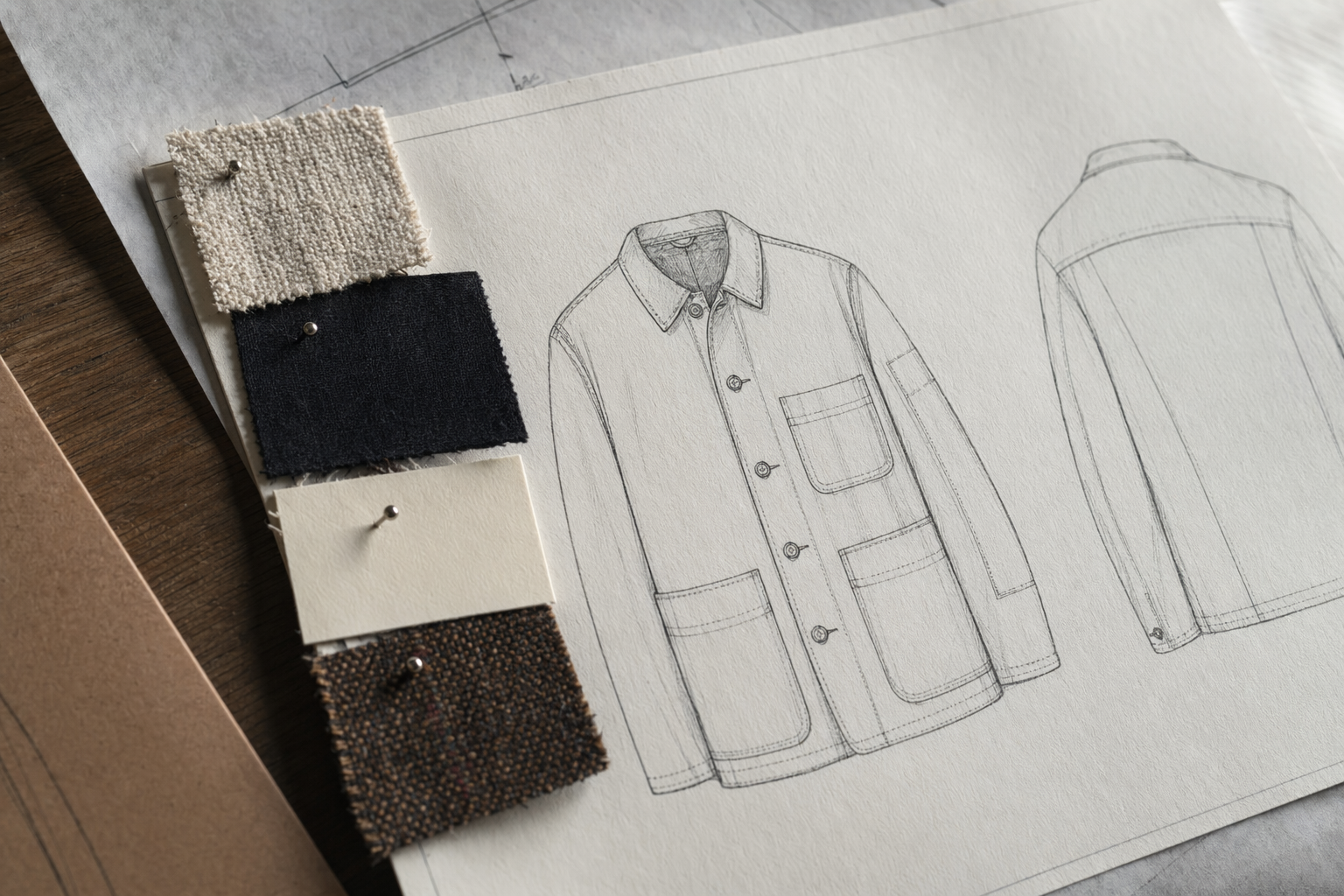
- Tech packs with construction details, measurements, grading
- BOMs (fabric, trim, findings, labels) with per-component sourcing and cost
- Sample rounds with fit comments, approvals, and version history
- Vendor collaboration (factory selection, capacity, lead time)
- Costing, FOB, landed cost, margin targets
- Colourways and seasonal palettes
- Approval workflows across design, merchandising, production, QA
- Handoff to production PO generation
- Integration to downstream inventory and order systems on receipt
Enterprise PLM goes deeper: 3D-sampling integration, digital asset management at scale, ADA-compliant material libraries, supplier scorecards, CAD integration, sustainability attribute tracking. These matter at enterprise depth; they usually do not matter for a mid-market apparel brand running a handful of collections per year.
The three PLM tiers
Tier 1, Enterprise apparel PLM
Representative platforms: Centric PLM, PTC FlexPLM, Siemens Teamcenter for Fashion, CLO3D.
Fit: enterprise apparel companies ($250M+) with deep design teams, 3D-sampling workflows, complex supplier networks, and dedicated PLM administrators. Implementation is measured in quarters; budgets start around $100K and scale well into six figures.
What it does well: the deepest PLM capabilities available. CAD integration, 3D sampling, enterprise supplier collaboration, complex approval workflows with role-based signoff, material libraries at scale.
Where it is overkill: for a mid-market apparel brand running 4 seasonal collections across 30 styles per season, this depth is unused capability at enterprise price.
Tier 2, Mid-market standalone PLM
Representative platforms: Bamboo Rose, YuniquePLM, BeProduct, Centric SMB, Coats Digital.
Fit: mid-market apparel brands where PLM complexity is the primary pain point and where the ERP layer is already in place or handled separately. These platforms deliver most of enterprise PLM's workflow depth at mid-market pricing and implementation timelines.
Where it works: brands with design-heavy operations, frequent line expansions, sample-round complexity, and vendor collaboration at depth.
The trade-off: standalone PLM means an integration layer between PLM and the ERP. Style data, BOMs, and production POs flow from PLM to ERP via integration, which is a maintenance surface. Data synchronisation issues surface at season launch and PO receipt time.
Tier 3, PLM as a module inside apparel ERP
Representative platforms: Uphance (apparel ERP with native PLM), AIMS360 (PLM depth varies), BlueCherry.
Fit: mid-market apparel brands where PLM is one of several operational modules that need to stay connected, inventory, orders, production, warehouse, PLM all on one ledger. When a BOM change in PLM needs to update production costing automatically, a style approval needs to flow into inventory planning, and a tech-pack revision needs to route to the vendor without a manual handoff, integrated PLM wins.
Where it works: most mid-market apparel brands running wholesale + DTC with production complexity. PLM depth is sufficient for the workflow apparel brands actually run at this tier.
Where it falls short: if 3D-sampling, CAD integration, or enterprise-grade material-library management is critical, integrated-PLM-in-ERP does not reach that depth. Those workflows require Tier 1.
The 2026 mid-market apparel PLM shortlist
Uphance (PLM inside the apparel operations platform)
Best fit: mid-market apparel brands running wholesale + DTC where PLM needs to stay connected to inventory, production, and orders. Tech packs, BOMs, approvals, sample rounds, and costing live in the same data model as everything downstream. BOM changes propagate to production costing without an integration layer.
What it is not: a dedicated 3D-sampling platform, a replacement for CLO3D for heavy design-CAD workflows, or a best-in-class standalone PLM for design-centric operations where PLM is the entire focus.
Bamboo Rose
Best fit: mid-market apparel and retail brands where PLM is the primary operational focus and ERP is handled by a separate platform (NetSuite, SAP, or a Tier 2 mid-market ERP). Strong supplier-collaboration depth.
YuniquePLM (by Gerber Technology / Lectra)
Best fit: apparel brands with deep CAD/Gerber/Lectra-integrated design operations. PLM ties into pattern-making and grading workflows where that's already the ecosystem.
BeProduct
Best fit: cloud-native mid-market apparel brands needing modern PLM UI and collaborative workflows without an enterprise implementation.
Centric SMB
Best fit: mid-market apparel brands whose team expects to grow into enterprise PLM depth eventually and wants the Centric product ecosystem early. Pricing and implementation are between Tier 2 and Tier 1.
The decision framework for mid-market PLM
1. Is PLM your dominant operational pain?
If design, sampling, and vendor collaboration are where most of your operational complexity lives, and inventory, wholesale, warehouse are relatively contained, standalone mid-market PLM (Bamboo Rose, BeProduct, YuniquePLM) fits. If PLM is one of five interconnected modules you need working together, PLM inside an apparel ERP (Uphance) is usually the cleaner architecture.
2. Do you need 3D sampling, CAD integration, or enterprise supplier scorecards?
If yes, Tier 2 integrated-PLM does not reach that depth. Centric PLM, PTC FlexPLM, CLO3D are the honest answer, with the enterprise implementation and budget that comes with them. If no, most mid-market apparel brands fall into this bucket, Tier 2 integrated or Tier 2 standalone are the real shortlist.
3. Where does PLM data have to flow?
If BOMs have to become production POs that receive against inventory that costs back to the style, all in one platform, without integration layer, PLM inside the ERP (Uphance) wins structurally. If PLM output can sit as a dataset that the ERP imports, standalone PLM plus ERP integration can work at added operational overhead.
4. What's your implementation appetite?
Tier 1 enterprise PLM: 9 to 18 months, $100K to $500K+. Tier 2 mid-market standalone PLM: 3 to 9 months, mid-five to low-six figures. PLM-inside-apparel-ERP: 8 to 16 weeks as part of the ERP implementation itself, single project rather than two parallel rollouts.
The honest conclusion for mid-market apparel PLM
For most mid-market apparel brands ($5M to $100M, multi-channel, running production at realistic depth without 3D-CAD requirements), PLM inside the apparel ERP (Uphance) is the cleanest architecture. Consolidates the system count, eliminates the PLM-to-ERP integration layer, and covers the PLM workflow apparel brands at this tier actually run.
Standalone mid-market PLM (Bamboo Rose, YuniquePLM, BeProduct) wins when PLM complexity is genuinely deep and ERP is elsewhere. Enterprise PLM (Centric, PTC, CLO3D) wins above $100M or when 3D-CAD workflows are central.
The most common mistake mid-market apparel brands make is evaluating Centric or PTC because "everyone uses PLM", and discovering 6 months in that the enterprise implementation burden outweighs the capability they actually needed. The second most common mistake is running PLM in spreadsheets or Google Drive past the point where it breaks production accuracy. Integrated apparel ERP with PLM as a module sits between those two failure modes for most mid-market brands.
Related reading: Uphance apparel PLM, Generic ERP vs apparel-specific ERP, Best apparel ERP for mid-market fashion brands. Start with a discovery conversation to map your PLM requirements against the tier framework.
Frequently asked questions
Where this fits in the Uphance platform
Ruchit writes about product strategy for apparel operations, covering how mid-market fashion brands use connected workflows to manage product development, inventory, orders, warehouse execution, and reporting. As Head of Product at Uphance, he shapes the roadmap that ties PLM, PIM, BOM management, allocation, fulfillment, and warehouse operations into one system. His articles dig into apparel-specific operational mechanics: tech packs, spec sheets, putaway, pick-pack, landed cost, and the data plumbing that makes inventory truth possible across multiple channels and locations. He focuses on the workflow-level questions that separate generic ERPs from systems built for how apparel brands actually run.
Ronnell writes about onboarding, adoption, and operational readiness for apparel brands moving to a connected platform. His articles focus on what it takes to go live with confidence and sustain strong execution across channels, warehouses, and teams. As Head of Customer Success and Onboarding at Uphance, he leads the implementation phases that turn a software signature into running operations. He writes about kickoff scoping, data migration, sandbox cutover, change management patterns, and the stakeholder alignment work that determines whether a connected platform actually changes how a brand runs, or just adds another login to the existing chaos.