The Importance of Prototyping in Fashion Design
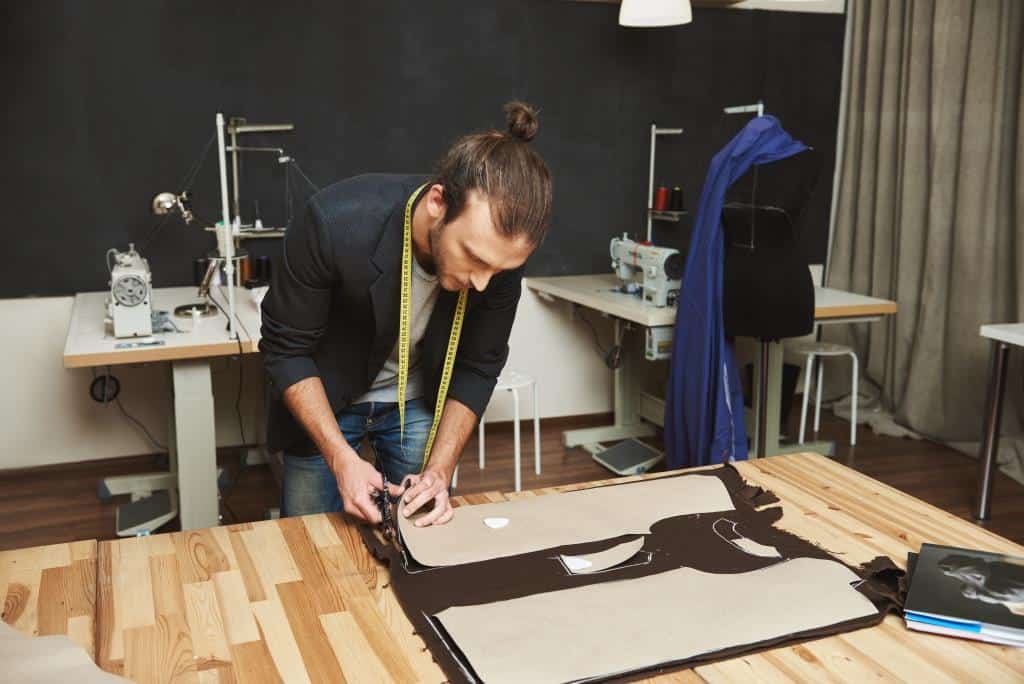
It is the third sample round on a wool blazer and the front panel still puckers above the chest pocket. The designer blames the fusing. The pattern maker blames the marker. The factory blames the spec. Nobody can find the version of the tech pack that the last sample was cut from, because three people emailed three different PDFs in the same week. The buy is supposed to land in six weeks. This is what a broken prototyping process looks like, and it is far more common than the trade press admits.
Prototyping is the part of fashion design where ideas stop being free. Every stitch, every fabric swap, every neckline adjustment now has a cost attached. The brands that treat prototyping as a creative ritual lose money. The brands that treat it as an operational discipline keep their margins.
What is prototyping in fashion design?
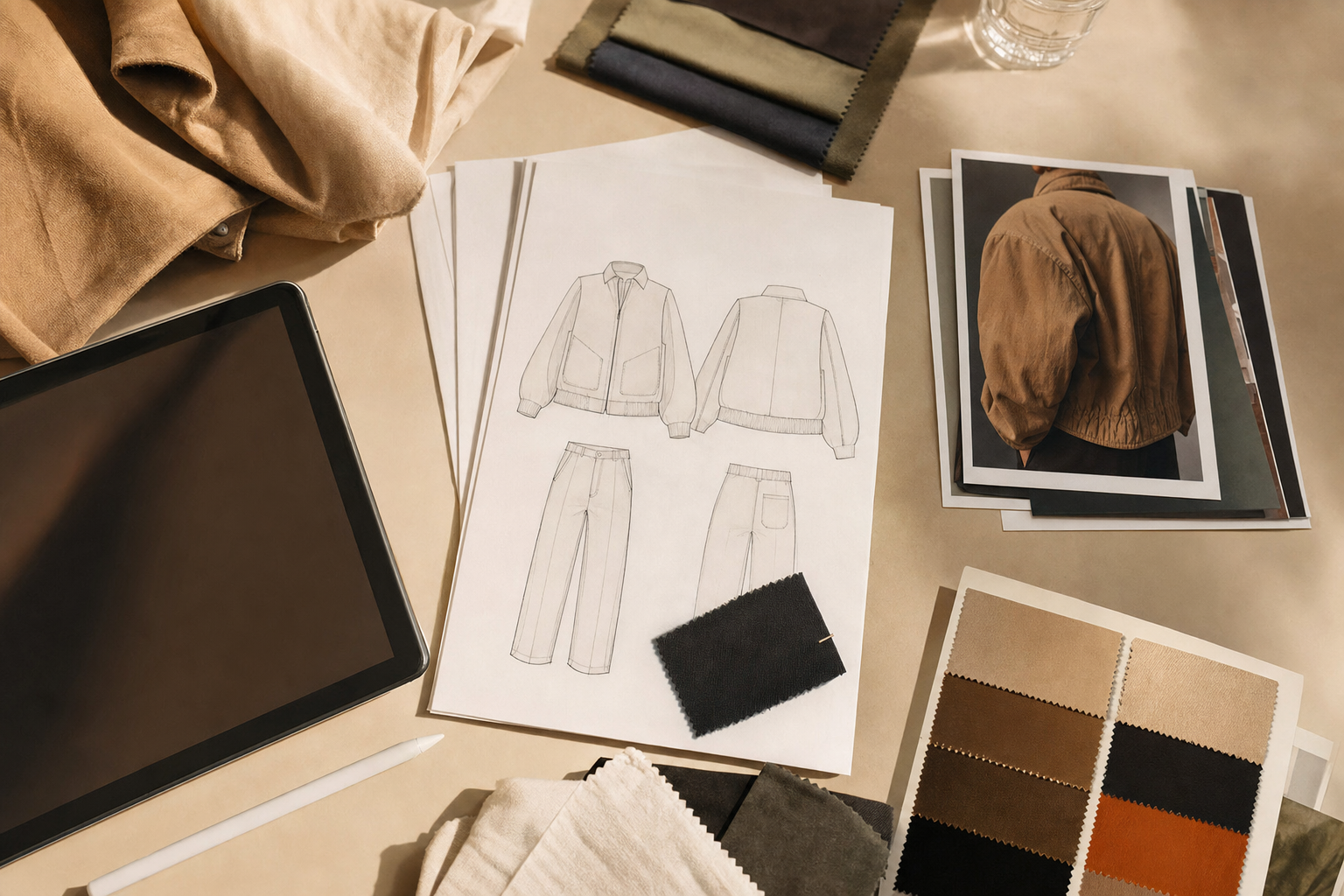
Prototyping in fashion design is the process of building a preliminary version of a garment, physical or digital, to test its design, fit, construction, and cost before committing to production. A prototype is not a sample for the showroom. It is a working draft of the garment, intended to expose problems while changes are still cheap. The output of prototyping is not a finished product. It is a stable, signed-off tech pack and pattern that the factory can manufacture without guessing.
That definition matters because in most apparel businesses the words prototype, proto, mock-up, fit sample, and PP sample are used interchangeably, and the result is a sampling calendar that no one trusts. When everyone uses the same word for different things, the production team has no way to know which version is approved.
What are the main types of prototypes in apparel?
Protoypes split into three working categories, and each one answers a different question.
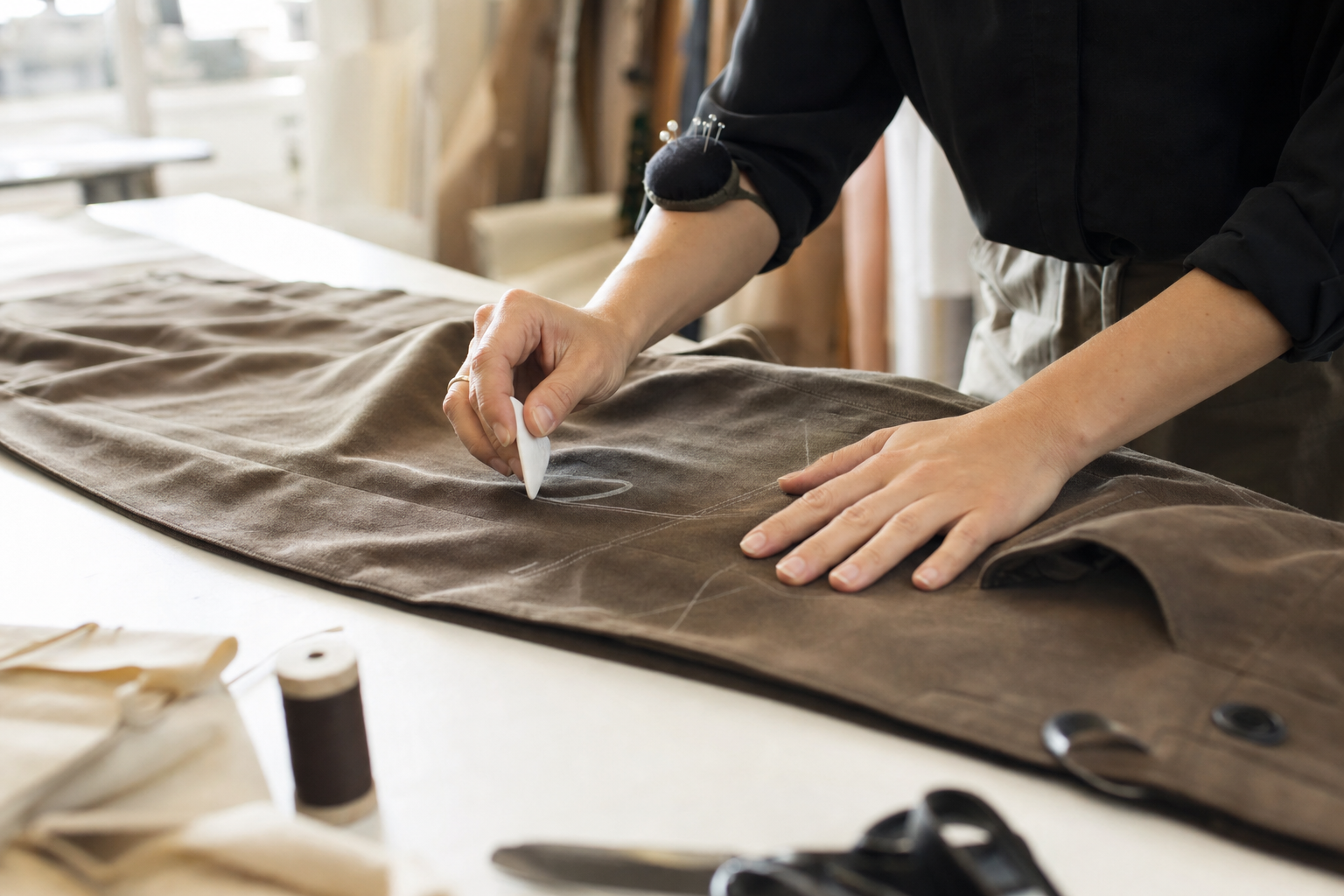
Mock-ups and muslins. These are the cheapest prototypes, cut in calico or an inexpensive substitute fabric. They answer one question: does the pattern produce the silhouette the designer drew. Fit is approximate. Construction is approximate. The point is to see the shape on a dress form or a fit model before anyone wastes the real fabric.
Sample garments. A sample is cut in the actual fabric, with the actual trims, and constructed the way the factory intends to construct it at scale. Samples are what buyers see, what photo studios shoot, and what the production team uses to lock the BOM. A salesman sample, a photo sample, and a pre-production (PP) sample are all variants of this category, and they are not interchangeable.
Digital prototypes. CAD software, 3D garment simulation tools like CLO 3D or Browzwear, and PLM-linked virtual fittings let designers test drape, stitch line, and grading on screen before any physical sample is cut. Digital prototypes will not catch every issue, hand feel and true drape still need a physical sample, but they cut the first two rounds of sampling out of the calendar on simpler styles.
Why does prototyping actually matter on a P&L?
It is easy to defend prototyping in creative terms. The financial case is sharper. A wholesale apparel brand running a $15 million top line typically commits to fabric and trim positions four to six months before the season ships. If a fit error survives prototyping and reaches the production cut, the cost is not the cost of the bad sample. It is the cost of the cancelled wholesale orders, the markdowns at retail, the air freight to recover the season, and the chargebacks from accounts that did not get clean stock.
From the go-lives I have run this year, the pattern is consistent: brands that ship more than three sample rounds per style on average are burning roughly 8 to 12 percent of their pre-production margin in iteration cost alone, before a single garment is cut for the buy. The prototyping process is where that number gets fixed or stays broken.
The five operational reasons prototyping pays for itself:
1. It converts a sketch into something a factory can actually build
A flat sketch and a mood board do not tell a pattern maker how a sleeve cap should sit. A prototype forces every ambiguous decision out into the open. The designer sees their idea in three dimensions. The pattern maker sees what they were really being asked to do. The gap between the two closes before the factory has to interpret it.
2. It validates fit, form, and function
Apparel is one of the few products where the consumer touches the manufacturing tolerance directly. A 1 cm grading error across the chest reads as a bad garment, not a good design poorly made. Prototypes are how that error gets caught on a fit model in week six instead of by a customer in week thirty.
3. It catches errors when they are still cheap
A correction at the muslin stage costs an hour of a pattern maker’s time. The same correction at the PP sample stage costs a sample yardage, a factory slot, and four weeks of calendar. The same correction after the cut order is released costs the buy. The cost curve of an apparel error is not linear. It is exponential, and prototyping is the lever that keeps you on the cheap end of it.
4. It makes experimentation safe
A new fabric, an unfamiliar construction, a non-standard closure: all of these belong in a prototype before they belong in a line plan. Designers who prototype aggressively can take more creative risk because the downside is contained to a single mock-up budget, not a 5,000-unit buy.
5. It aligns every stakeholder around one physical object
A prototype is a shared reference. Sales can show it to key accounts. Marketing can plan around it. Sourcing can quote against it. Production can plan capacity around it. A prototype turns an internal disagreement about words into a conversation about a thing, which is faster and less political.
Where does prototyping break down in a growing brand?
This is where the 6 Breakpoints of Apparel Operations framework gets useful. Prototyping sits at Breakpoint 1: product data fragmentation. The prototyping process is the first place that a brand’s product data either holds together or starts falling apart, and the symptoms downstream are entirely predictable.
The failure pattern looks like this. A designer iterates a tech pack in a shared drive. A pattern maker keeps their own version annotated by hand. The sourcing team works from a quoting sheet that was forked from an earlier tech pack. The factory cuts the third sample from a PDF that was emailed two weeks before the latest revision. By the time the PP sample arrives, nobody can say with certainty which version of the truth it represents. Three people sign off, all looking at slightly different specs.
When product data fragments at the prototyping stage, every later stage inherits the mess. Production drifts from the plan because the spec was never stable. Inventory becomes hard to trust because what was bought does not match what was sold. Order flow gets noisy because the salesman sample and the production garment do not match. Reporting becomes reactive because nobody can answer simple questions like which style is on which sample round, and what is blocking it.
This is the real argument for treating prototyping as an operations problem, not a design problem. The design problem is whether the garment is good. The operations problem is whether the version of the garment that everyone is talking about is the same version. PLM and product data tooling, including what Uphance handles at the product data layer, exist precisely to solve that second problem.
What is the difference between a clothing prototype and a sample?
These two words get used as synonyms and they are not. A prototype is internal. It exists to answer questions: does the pattern work, does the fabric drape the way we expected, does the construction sequence make sense, can the factory hit the target FOB. A prototype is supposed to change. The whole point is that it gets marked up and revised.
A sample is external. It exists to commit to something: a buyer’s order, a photo shoot, a final approval before bulk cut. A sample is supposed to be stable. The whole point is that it represents what the production garment will be.
In practical terms, a brand should expect two to four prototype rounds per style on a typical wholesale program, followed by a salesman sample for selling, a photo sample for marketing, and a PP sample for production sign-off. The prototypes feed the samples. The samples should not be the place where new construction decisions are still being made.
How should prototyping be measured?
Most design teams do not measure prototyping at all. They measure delivery dates and call it a day. The brands that get the cost out of their sampling cycle track three numbers:
Average sample rounds per style. If the trailing season was 3.4 and the current season is trending toward 4.1, something has degraded, usually the quality of the initial tech pack or the clarity of fit comments back to the factory.
First-pass approval rate. What percentage of styles got approved at the first sample round. A healthy wholesale program typically lands between 25 and 40 percent. Below 20 percent and the front-end work is not specific enough. Above 60 percent and either you are over-engineering before the first sample, or someone is approving things they should not be.
Days between sample request and sample approval. This is the calendar number. It tells you whether the sampling cycle is going to compress production capacity or not. When this number stretches, the factory ends up with less calendar to make the buy, which is when quality problems and air freight bills start appearing.
None of these numbers require new tooling to track. They require somebody, usually the production manager, to actually look at them once a week.
What does a well-run prototyping process look like?
The pattern across the better-run brands I see is unglamorous. They have a single source of truth for the tech pack, usually inside their PLM or product data system. Revisions are versioned, not overwritten. Fit comments after each round are written against a specific version number, not against a generic style code. The pattern maker, the sample maker, and the factory are all looking at the same revision when they discuss the next round.
They also resist the temptation to fix everything in one round. The discipline is: each prototype round answers a defined question. Round one is fit. Round two is construction. Round three is finishing and trim. If round one introduces fit, construction, and trim changes all at once, round two has too many variables and nobody can tell what fixed what.
Finally, they cut prototyping off at a clear gate. There is a moment when the style is good enough, and the team stops iterating. Brands that cannot say no to one more tweak end up either missing the season or accepting the tweak and discovering at PP sample that it broke something else.
What this means for an apparel operations team
Prototyping is where Breakpoint 1, product data fragmentation, either gets contained or gets locked in for the rest of the season. The operational job is not to make the prototype perfect. The operational job is to make sure that the version of the prototype everyone is discussing is the same version, that fit comments are tied to that version, and that the factory cuts the next round from that version and not from an email attachment three revisions old.
That is a tooling discipline and a process discipline at the same time. The tooling discipline is keeping tech packs, BOMs, and revision history in a system that design, sourcing, and the factory all reference, which is what Uphance does at the product data layer. The process discipline is having a production manager who measures sample rounds, first-pass approval, and sampling calendar, and who calls the gate when a style is good enough to leave the prototype phase.
Do both and the sampling cycle stops being the place where the season quietly loses money. Do neither and every later stage of operations, production, inventory, orders, warehouse, reporting, inherits a product data problem that no downstream module can fix.
Frequently asked questions
Where this fits in the Uphance platform
Venkat is the Founder and CEO of Uphance and the author of the 6 Breakpoints of Apparel Operations framework. He writes about operational clarity for apparel brands as complexity grows across channels, warehouses, partners, and teams. His work focuses on why disconnected operations, not growth itself, create the chaos most mid-market brands feel between $5M and $100M in revenue, and on the operating-model patterns that decide whether scaling a brand strengthens execution or fractures it. He argues that the status quo is the real competitor in apparel software, and that the right move is fewer systems with deeper connection, not more dashboards.
Ruchit writes about product strategy for apparel operations, covering how mid-market fashion brands use connected workflows to manage product development, inventory, orders, warehouse execution, and reporting. As Head of Product at Uphance, he shapes the roadmap that ties PLM, PIM, BOM management, allocation, fulfillment, and warehouse operations into one system. His articles dig into apparel-specific operational mechanics: tech packs, spec sheets, putaway, pick-pack, landed cost, and the data plumbing that makes inventory truth possible across multiple channels and locations. He focuses on the workflow-level questions that separate generic ERPs from systems built for how apparel brands actually run.