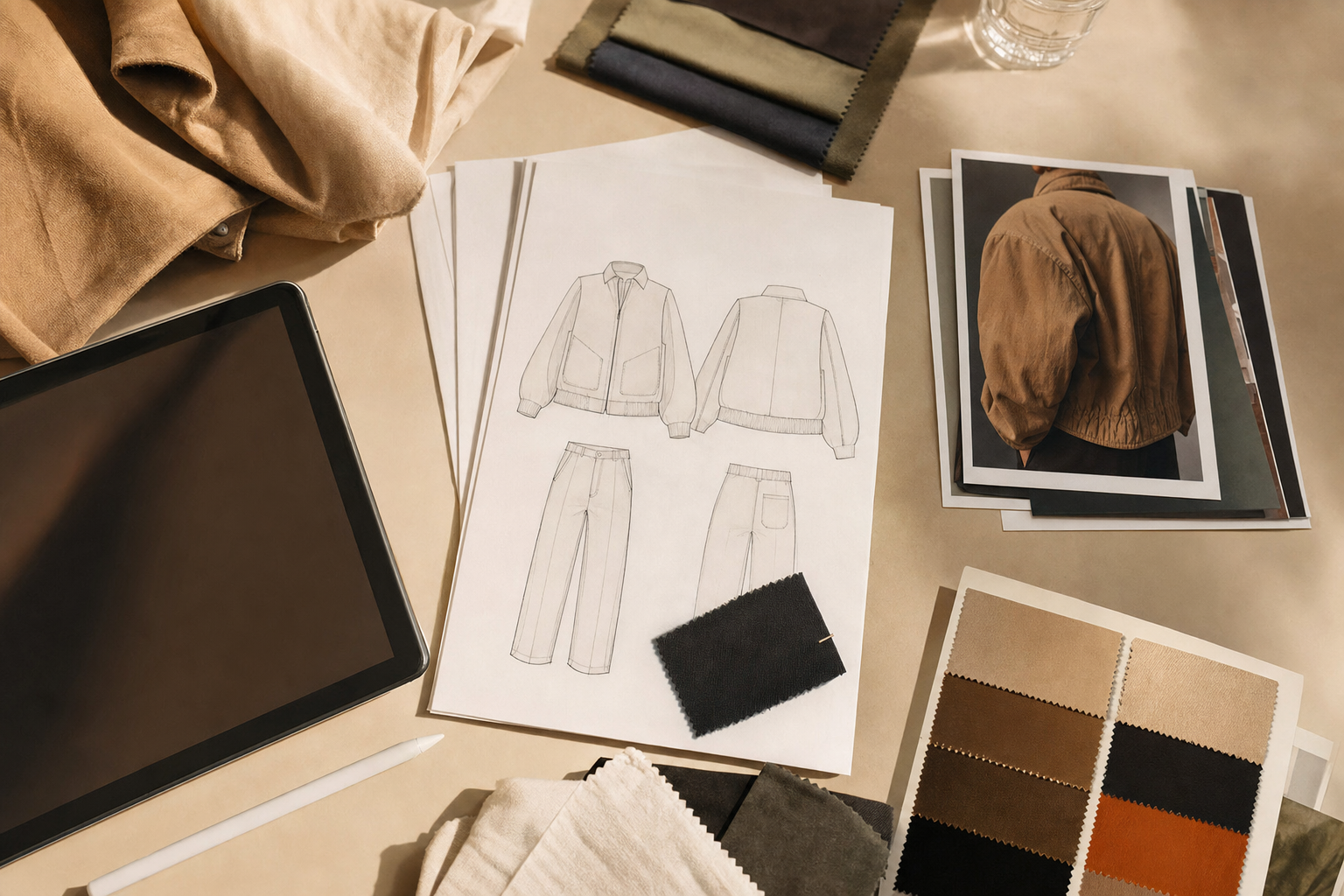
What is Garment Construction?
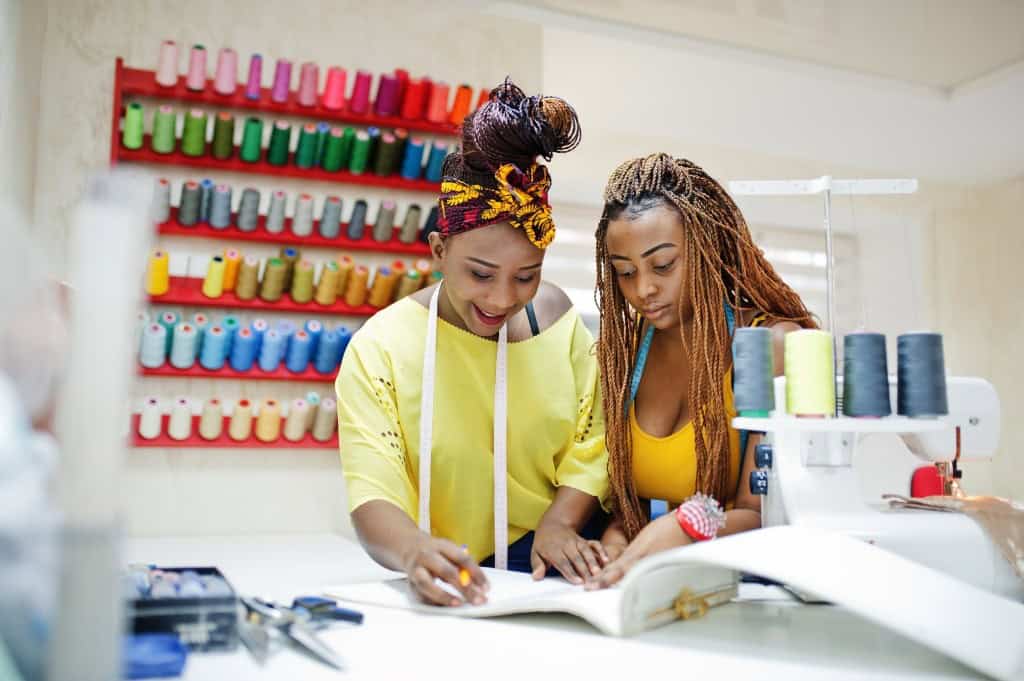
Garment construction is the foundation of apparel production. It is the engineering layer where a sketch becomes a sewable spec, where a fabric choice becomes a margin, and where a stitch type becomes a returns rate six months later. For designers, production managers, and brand operators, understanding it is not optional. It is the difference between a tech pack a factory can execute and a tech pack that triggers three rounds of sampling and a slipped delivery window.
From the go-lives I have run with apparel brands this year, the pattern is consistent: the brands that treat garment construction as a documented, versioned, data-rich workflow ship cleaner production runs. The brands that treat it as tribal knowledge in a designer’s head end up rebuilding the same tech pack three times for three different factories. This refresh walks through what garment construction actually is, the steps inside it, the tools that support it, and where it intersects with the first of the 6 Breakpoints of Apparel Operations: product data starts fragmenting.
What is garment construction, exactly?
Garment construction is the process of transforming fabric into finished clothing through a defined sequence of pattern-making, cutting, stitching, and finishing operations. It encompasses fabric selection, pattern drafting, grading, marker making, cutting, sewing, seam finishing, hemming, pressing, and final quality inspection. Every garment, from a basic tee to a couture gown, moves through some version of this sequence.
The useful way to think about it: garment construction is the set of decisions and operations that determine three things at once. Fit, because the pattern and grading define how the garment sits on a body across sizes. Durability, because the seam type, stitch density, and finishing decide how long the garment survives wear and washing. Cost, because every operation, from cut to topstitch, is a labor minute a factory will bill against your unit price.
Get those three right and you have a sellable product. Get them wrong in the construction phase and no amount of marketing recovers the margin.
What happens in the pre-production phase?
The garment construction process splits into two phases: pre-production and production. Pre-production is where design, specification, and cutting happen. Production is where the garment is actually sewn and finished. The pre-production phase contains four operations:
- Fabric selection
- Pattern making
- Grading and sizing
- Cutting
Each of these generates data that needs to live somewhere reliable. When it lives only in a designer’s laptop or a shared drive nobody updates, you have already triggered the first breakpoint.
Fabric selection
The first step in garment construction is selecting the right fabric. Woven fabrics like cotton, denim, and linen provide structure. Knit fabrics like jersey and spandex offer stretch and comfort. The choice is driven by the intended drape, durability, breathability, and end use of the garment. A jersey tee and a denim jacket are constructed differently because the fabric forces different seam types, different needle sizes, and different finishing techniques.
Fabric selection also locks in the cost floor of the garment. The fabric line on a BOM is usually the single largest input cost, which means a swap from a 180gsm cotton to a 220gsm cotton is not a small decision. It is a margin decision that needs to be tracked in the product data record, not buried in a Slack thread.
Pattern making
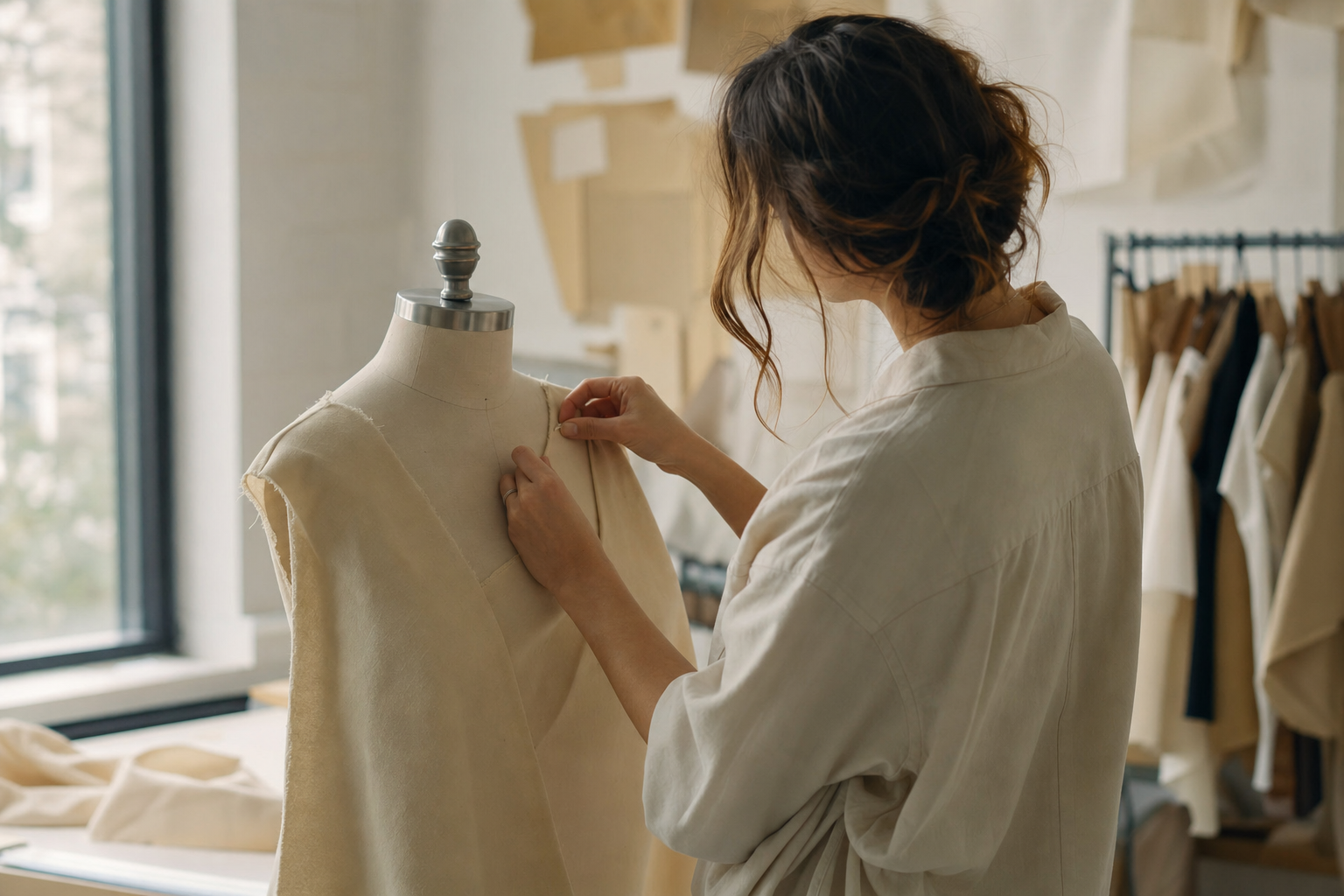
Patterns are the blueprints for garments. Traditional manual pattern-making uses paper templates. Modern digital pattern software improves precision and version control. Designers start from basic blocks, the foundational shapes for bodice, sleeve, skirt, and pant, and modify them to create new styles.
The pattern is the most-referenced artifact in the entire production cycle. Factories cut from it, sample rooms iterate on it, and grading systems scale it. Treat it as a versioned asset attached to a style record, not as a file named final_v7_REAL.dxf.
Grading and sizing
Once a pattern is finalized, it is graded to accommodate the full size run. Proper grading keeps proportions consistent across sizes so the XS and the XXL both fit their intended bodies. Grade rules differ by category. A tee grades differently from a tailored blazer, and a stretch knit grades differently from a stiff woven.
Grading errors are expensive in a specific way: they do not show up until the size run hits real customers, which means they show up as returns and reviews, not as factory rejects.
Cutting
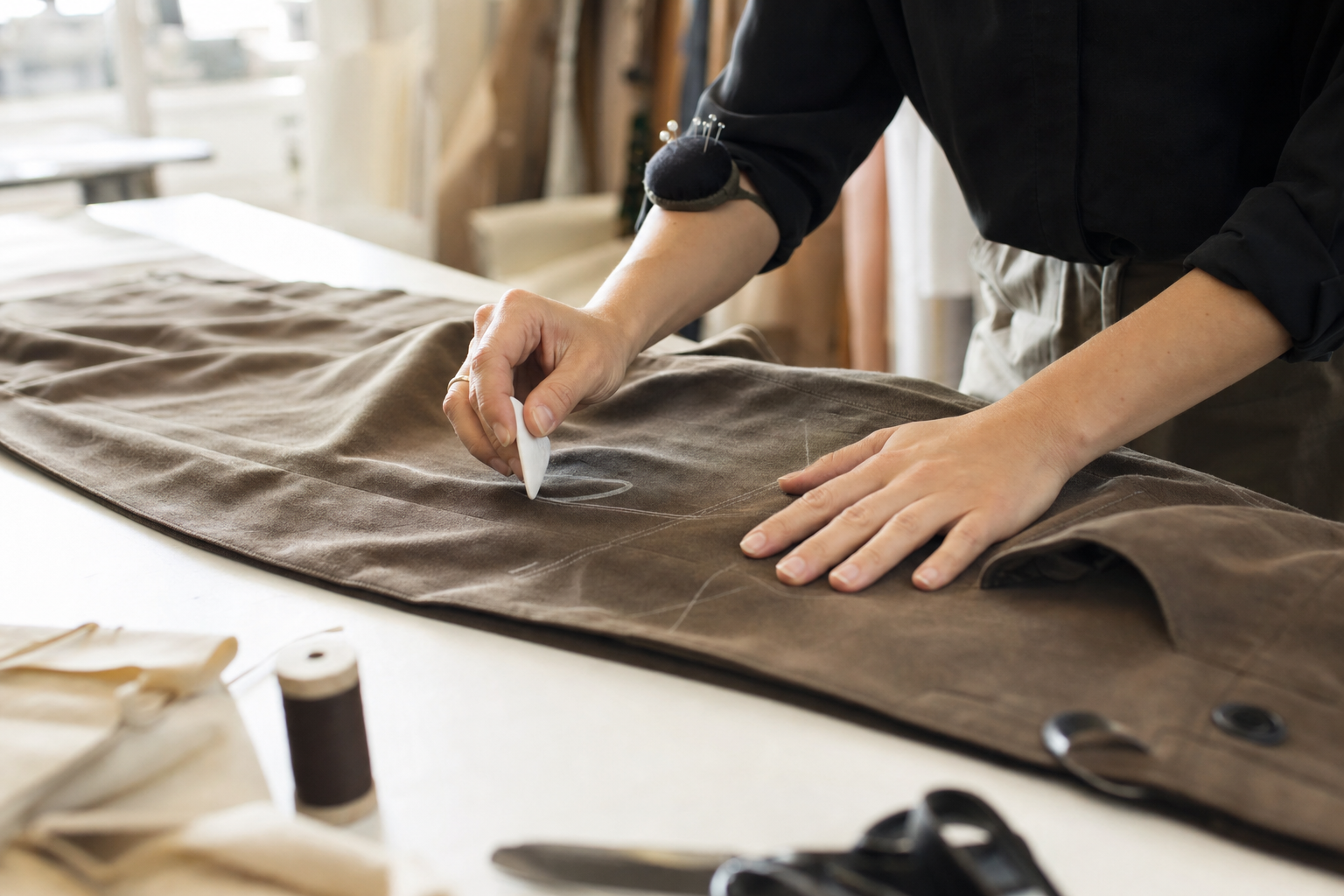
The cutting phase transforms fabric into pattern-shaped pieces. Methods range from manual scissor cutting to laser cutting to fully automated CNC cutting systems. Precision in cutting is what makes downstream sewing possible. A piece cut a quarter inch off spec compounds at every seam.
When cutting, seam allowances must be accounted for. Seam allowance is the strip of fabric between the stitch line and the raw edge, and it is structural, not decorative. Skip it or cut it inconsistently and the garment either falls apart or fits wrong.
Marker making and fabric spreading techniques minimize waste by packing pattern pieces efficiently on the fabric layout. A tight marker can lift fabric yield by several percentage points, which on a 5,000-unit cut is real money.
How does sewing work in garment construction?
Sewing and finishing are the core of production. While hand sewing and loom weaving still exist for craft and couture work, commercial garment production runs on sewing machines: industrial single-needle, overlock, coverstitch, buttonhole, and bartack machines, each engineered for a specific operation. Mastery of the sewing process is what separates a sample room from a production floor.
What are the basic stitch types?
Four stitches carry most of garment construction:
Straight stitch. The most common stitch, used for seams, hems, and topstitching. Strong, clean, predictable.
Zigzag stitch. Used on stretch fabrics and as a basic edge finish to prevent fraying. The zigzag flexes with the fabric where a straight stitch would snap.
Overlock stitch (serger stitch). Encloses the raw edge of the fabric in a wrapped thread chain. Standard finish for knit garments and the reason most tee shirts do not unravel.
Chain stitch. Adds flexibility and is the dominant stitch on denim waistbands, activewear, and any seam that needs to stretch and recover.
What types of seams matter most?
Seams hold garment pieces together and define structure. Seam lines determine where panels join, and they directly impact fit, durability, and final appearance. The seams that show up most often in production are:
Plain seam. The everyday workhorse. Used for side seams, shoulder seams, and most internal joins on standard garments.
French seam. A clean, fully enclosed seam used on delicate and sheer fabrics. Considered a high-quality finish because no raw edge is exposed.
Flat-felled seam. A flat, doubly-stitched seam common on denim and workwear. Strong, smooth, and visible on the outside of jeans for a reason.
Bound seam. Uses bias tape or bias binding to wrap the raw edge for durability and a finished interior. Common on unlined jackets and structured garments.
Seam finishes protect the raw edge from fraying and lift the garment’s perceived quality. Seam allowances must be specified, consistent, and respected, since they govern fit accuracy. A seam ripper is the tool that corrects sewing errors when they happen, and they happen.
Seams also attach components: waistbands, cuffs, collars, plackets, and pockets. Pleats and decorative details are also seam-driven. The discipline of seam construction is, in operational terms, the discipline of consistency. Every factory and every operator needs to be sewing the same seam, at the same allowance, with the same stitch density.
How is hemming handled?
Hemming finishes the bottom edge of a garment so it lasts and reads as professional. Four hem types cover most cases:
Double fold hem. A clean polished edge common on skirts, dresses, and woven shirts.
Blind hem. Nearly invisible from the outside, used on dress trousers and tailored garments.
Rolled hem. A narrow rolled edge for lightweight fabrics like chiffon and silk.
Coverstitch hem. The flat, parallel-line hem on activewear and knit garments. Stretches with the body and recovers without breaking.
What about decorative sewing?
Stitching also does decorative and structural work beyond holding panels together:
Topstitching. Visible reinforcement stitching that adds durability and a stylistic line.
Edge stitching. Keeps edges crisp and flat after pressing.
Pintucks and pleats. Add texture, shape, and design detail.
Smocking and shirring. Add elasticity and a decorative finish to bodices, sleeves, and waistlines.
What tools do you actually need?
Without the right tools, drafting accurate pattern pieces, cutting cleanly, and sewing consistently is a struggle, regardless of how experienced the fashion designer is. The toolkit splits across measuring, cutting, sewing, and pressing.
Measuring tools
Accuracy starts here. Measuring tape for body dimensions and fabric lengths. Ruler and French curve for drafting patterns and shaping smooth curves. L-square and hip curve for right angles and shaped pattern edges. The cost of a bad measuring tape is paid in fit complaints.
Cutting tools
Clean cuts produce clean garments. Fabric shears, rotary cutters, pinking shears for fraying-prone edges, and on production lines, laser or computer-guided cutting systems that work from a digital marker.
Sewing machines and attachments
Industrial machines specialize. The single-needle lockstitch handles most plain seams. The overlock serger handles edges and knit construction. The coverstitch handles knit hems. The buttonhole machine automates buttonholes at production speed. Presser feet, the swappable attachments under the needle, adapt a single machine to zippers, piping, quilting, and binding.
Pressing and finishing tools
A well-pressed garment reads as professional even before it is touched. Steam iron for setting seams and removing wrinkles. Pressing cloth to protect delicate fabrics from direct heat. Tailor’s ham and sleeve board for pressing curved areas without flattening shape. Lint roller for the final pass before bagging.
What are the non-negotiable quality standards?
In garment construction, quality is non-negotiable, and it is enforced at specific, named checkpoints. The most critical is proper finishing of raw edges, which prevents fraying and extends garment life. Seam finishing techniques like the French seam and the flat-felled seam are widely used to deliver a clean professional interior and to add durability. Stitch selection matters too: a straight stitch for strong structural seams, a zigzag stitch for stretch fabrics and basic edge finishing.
Careful pattern making and thoughtful fabric layout are the upstream quality moves. They are also the cheapest places to fix a problem. A pattern correction costs minutes. The same correction made after cutting 2,000 units costs thousands.
Quality also depends on writing these standards down. The stitch type per seam, the seam allowance per panel, the stitch density per inch, the finish per edge: these belong in the tech pack, attached to the style record, and visible to every factory that touches the order. When they live only in a sample room conversation, you get the first breakpoint in motion.
Where does garment construction meet operations?
Here is the part most construction guides do not say out loud. Every construction decision is a data point that has to travel. The fabric you selected, the pattern version you approved, the grade rules you locked, the seam types you specified, the stitch density you required: all of it is product data. And product data is the first thing that fragments when a brand grows.
The 6 Breakpoints of Apparel Operations framework starts here for a reason. Breakpoint one, product data fragments, almost always begins in the gap between design and production. A designer updates a pattern but not the tech pack. A development manager swaps a fabric but the cost sheet does not update. A grading change ships to one factory but not the other. Every gap is a future quality issue, a future returns spike, or a future margin leak.
This is why a serious apparel operations setup treats garment construction not as a craft conversation but as a structured data flow. The pattern, the BOM, the tech pack, and the production order should reference the same source of truth, with version history. Platforms like Uphance exist to hold that source of truth so that what the designer constructed is what the factory sews and what the cost sheet reflects.
What this means for an apparel operations team
If you run operations at a $5M to $100M apparel brand, garment construction is not the design team’s private domain. It is the upstream input that determines whether your production runs land on cost, on time, and on spec. Three takeaways worth acting on:
First, every construction decision needs a home in your product data record. The fabric, the pattern version, the grade rules, the seam types, and the finish standards belong in a versioned tech pack that every factory and every internal team reads from. If your tech packs live in PDFs emailed back and forth, breakpoint one is already active.
Second, cost the construction, not just the materials. Every stitch operation is a labor minute. A garment with twelve construction operations costs meaningfully more to sew than one with seven, and that difference belongs in your costing before the order is placed, not after the invoice arrives.
Third, treat sample approvals as the moment construction standards lock. The seam allowances, stitch densities, and finishing details signed off at sample stage are what production will replicate at scale. If those details are vague in the sample comments, they will be vague on the production floor. Clarity, not chaos, starts in the tech pack.
Garment construction is both craft and engineering. Treating it as engineering, with documented standards and connected data, is what lets the craft survive contact with a 50,000-unit production order.
Frequently asked questions
Where this fits in the Uphance platform
Ruchit writes about product strategy for apparel operations, covering how mid-market fashion brands use connected workflows to manage product development, inventory, orders, warehouse execution, and reporting. As Head of Product at Uphance, he shapes the roadmap that ties PLM, PIM, BOM management, allocation, fulfillment, and warehouse operations into one system. His articles dig into apparel-specific operational mechanics: tech packs, spec sheets, putaway, pick-pack, landed cost, and the data plumbing that makes inventory truth possible across multiple channels and locations. He focuses on the workflow-level questions that separate generic ERPs from systems built for how apparel brands actually run.
Ronnell writes about onboarding, adoption, and operational readiness for apparel brands moving to a connected platform. His articles focus on what it takes to go live with confidence and sustain strong execution across channels, warehouses, and teams. As Head of Customer Success and Onboarding at Uphance, he leads the implementation phases that turn a software signature into running operations. He writes about kickoff scoping, data migration, sandbox cutover, change management patterns, and the stakeholder alignment work that determines whether a connected platform actually changes how a brand runs, or just adds another login to the existing chaos.