

Native accounting vs integration multi entity apparel: the choice looks like a finance decision but it is really an inventory and consolidation architecture decision. Here is how to tell which one your brand actually needs.

When accounting disconnected from operations apparel becomes the norm, month-end takes ten days, inventory valuation drifts from what the 3PL actually holds, and finance and ops argue over which number is real. Here are three signs the drift has started.

Knowing when to replace QuickBooks apparel accounting is a structural question, not a software preference. This post explains the operational triggers, the multi-entity threshold, and how native accounting inside an apparel ERP changes inventory valuation and month-end close.

Matrix inventory style color size apparel is the way apparel operations tracks stock at the SKU level across every color and size variant of a style. Done right, it eliminates oversells and reconciliation drift. Done wrong, it becomes a spreadsheet tax.
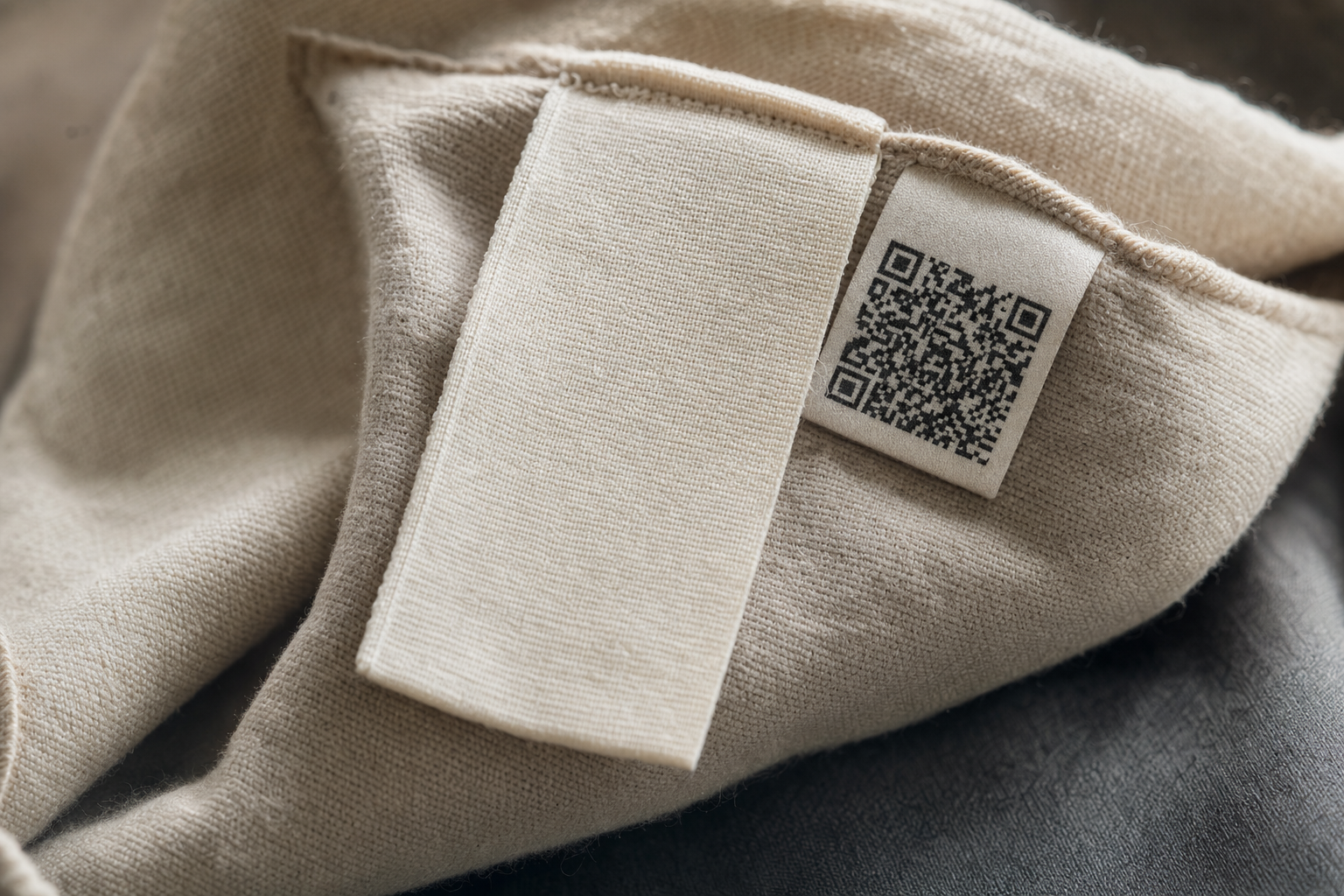
A digital product passport apparel program lives or dies on when data gets captured, not what fields are on the schema. Here is the sequence that survives production reality, and the workflows most brands get wrong.

ApparelMagic alternatives matter most when a brand crosses $10M and starts running wholesale, DTC, and 3PL against each other. This is a diagnostic look at where ApparelMagic fits, where it strains, and what to evaluate instead in 2026.

When apparel brands fail to sync ecommerce wholesale retail inventory, the cost is not just oversells. It is 6 to 9 hours a week of reconciliation, 2 to 3 percent oversell rates at peak, and one FTE quietly turned into data plumbing.

Spreadsheet chaos apparel operations is the point where reconciliation work, oversells, and reactive reporting start eating margin. Here are five signs your $10M to $20M brand has crossed that line, and the architectural fix that ends it.

A margin bridge report apparel finance teams actually use walks last period's gross margin to this period's, decomposing the delta into price, mix, cost, freight, and markdown. Here is why leadership keeps asking for it and why most brands cannot produce it cleanly.

A rolling forecast apparel brand teams can actually run is a 12 to 18 month view of demand, receipts, and cash that gets re-cut monthly against real sell-through, not a static annual budget written in November.

Pick zone rules in a warehouse apparel operation decide which SKUs live where, who picks them, and in what sequence. Get the zones wrong and same-day DTC slips, wholesale cartonization breaks, and BP5 chaos starts leaking upstream into orders and inventory.

Setting channel priority when apparel stock runs low mid-season is the mid-season allocation rule that decides who gets the last units when wholesale, DTC, and marketplace demand collide. Without it, oversell rates climb to 2 to 3 percent at peak.

Pre-order vs back-order apparel is not a semantic distinction, it is an inventory-accounting distinction. Pre-order commits units against future PO receipts, back-order commits against depleted on-hand. Running both cleanly in one system prevents the oversell and reconciliation drag that eats a $15M brand alive.

EDI order routing apparel teams struggle with is rarely an EDI problem. It is an order-flow problem: no channel-aware ATS, no allocation logic against wholesale-committed pools, and no clean handoff to the 3PL. Here is what end-to-end routing without manual touches actually looks like.

Split shipment rules apparel teams actually need are channel-by-channel, not global. This post gives a rule set for DTC, wholesale, and marketplace orders, plus the cost of leaving the decision to the warehouse.

Safety stock by channel apparel operations require is not the same buffer you set for DTC alone. Here is when to split the buffer, when a blended number is fine, and how the split ties to inventory truth.

How to reconcile 3PL inventory against ERP without burning a finance week: a monthly sequence covering cutoff, in-transit, adjustments, and variance thresholds for apparel brands running wholesale plus DTC.

An inventory conflict between channels apparel brands hit around $10M happens when Shopify, the 3PL, and wholesale each hold a different truth about the same SKU. This post explains why manual holds are the wrong fix and what to architect instead.

A factory lead time buffer apparel teams can actually defend is not a padding number. It is a decision framework that separates supplier variance, transit variance, and sell-through variance so you cover risk without shipping the season late.

A grading rule set apparel teams rely on is not a spreadsheet of increments, it is a versioned, style-scoped record of how a base size scales to a full size run. Here is how to structure it, version it across seasons, and stop the fit drift that shows up at first fit.

A factory lead time change allocation playbook for apparel brands: how to re-sequence wholesale ship windows, DTC drops, and 3PL inbound when a mill or cut-and-sew partner moves dates mid-season.

A product data quality audit apparel brands can actually run in a day, not a quarter. Here is the checklist we use with $10M to $20M brands where PLM, PIM, and downstream inventory truth have quietly drifted apart.

A channel margin report apparel teams pull from Shopify or NetSuite usually hides where profit is actually made or lost. The fix is not a better dashboard, it is a shared costing spine across product, order, and warehouse data.

Drop-ship routing in apparel decides which orders fulfill from your warehouse, your 3PL, your retail partner's DC, or directly to the consumer on a retailer's behalf. Get the routing logic wrong and you create chargebacks, oversells, and reconciliation work that no warehouse team can fix downstream.

A practical playbook for wholesale order cancellation apparel teams can run mid-season, covering cancel windows, allocation rules, EDI 860 handling, and the inventory and finance moves that prevent oversell and chargebacks.

An apparel production calendar is the dated commitment schedule that links design, sourcing, and delivery to in-store dates. Here is how to build one that survives peak instead of becoming a wall of red cells by week six.

The apparel operating model 10m question is the one every founder hits between $10M and $20M: keep stitching point tools together, fork into a generic ERP build, or move to a unified apparel operations platform. Here is how to decide.

An apparel ERP fit assessment is the structured diagnostic a $5M to $100M brand runs before signing any platform contract. It maps current workflow failure points against system capability so the decision is operational, not vendor-led.

The cost of status quo apparel operations is the hidden tax a brand pays every week to keep spreadsheets, Shopify, the 3PL, and wholesale in rough agreement. This worksheet puts a defensible number on that tax so finance and ops can argue from the same page.

An apparel erp sandbox environment is the only honest way to verify a system handles your real wholesale, DTC, and 3PL flows before you sign. Demos prove nothing about your data; sandboxes do.

An apparel ERP go-live checklist that actually works runs in five stages: data readiness, sandbox parallel, channel cutover, warehouse and 3PL sync, and finance reconciliation. Skip a stage and you ship oversells into peak.

A marketplace listing engine apparel teams build in-house is the spreadsheet-and-scripts contraption that maps one product master to ten retailer and marketplace specs. It works until it doesn't, and the failure mode is always the same: order flow stops being trustworthy.

A replenishment trigger apparel teams set once at season start will misfire by week six. Here are the three reasons it breaks and what to fix in the data layer before tuning the rule.

Inventory reconciliation time in apparel rarely fails because the team is slow. It fails because the sequence is wrong. Here is the operational order that compresses monthly close from days to hours without buying anything new yet.

The apparel ERP RFP almost always picks the wrong system because the feature matrix rewards breadth over fit. Here is why scoring 400 checkboxes on an apparel ERP RFP rewards generic ERPs and penalizes the apparel-specific workflows that actually break at $15M.

The best returns management software apparel brands need in 2026 is not a standalone returns app bolted onto Shopify. It is a returns flow wired into PIM, inventory, and wholesale order data so refunds, restocks, and chargebacks resolve in days, not weeks.

A practical look at ai apparel plm product development: where machine assistance actually compresses the calendar, where it creates expensive rework, and how to sequence AI inside the product data layer without breaking downstream operations.

The cost of overselling apparel is rarely the refund. At peak, one oversold SKU triggers a chain of warehouse, support, paid media, and wholesale costs that compound across the order book. This post breaks down the real number.

An apparel control tower is the operating layer that gives a brand one trustworthy view of product, inventory, orders, and warehouse execution. This guide is a decision framework for when an apparel control tower is the right investment, and when it is premature.

Net terms vs deposit wholesale apparel is the wrong binary. The right question is which buyer, on which order, in which season, gets which structure, and the answer changes how cash, allocation, and chargebacks behave across the next two seasons.

The best 3PL for apparel brands in 2026 is the one that handles drops, EDI compliance, and returns velocity without becoming the bottleneck. Here is how to evaluate them by workflow, not by warehouse square footage.

An image asset pipeline apparel pim teams rely on is the system that moves product photography from shoot to PDP, line sheet, and 3PL label without manual renaming. Done badly, it becomes the silent tax on every drop.

Mid season spec changes apparel teams accept casually are the single fastest way to break production. This post lays out the spec change protocol, the cost of skipping it, and where the damage shows up downstream.

A channel margin report apparel teams actually trust has to separate gross margin from contribution margin, allocate 3PL and chargeback costs to the channel that caused them, and survive a returns wave without rewriting history.

A drop ship routing decision in apparel is the per-order, per-SKU choice of which fulfillment node ships a customer order against which inventory pool. Most brands treat it as a warehouse problem. It is an order management problem, and the wrong owner is why margin leaks.

A pre production sample review in apparel is the structured sign-off that locks construction, fit, trims, and labeling before bulk cutting begins. Done inside PLM, it stops the silent drift between design intent and what arrives in the warehouse twelve weeks later.

An apparel production calendar is the dated backbone that ties design, approvals, fabric, sampling, PO release, and ex-factory to a ship window. Here is how to build one that holds through peak without drifting into spreadsheet chaos.

A stock reservation window apparel peak season problem is what happens when allocated inventory sits in limbo across Shopify, wholesale, and 3PL systems. This post explains why the window breaks, what it costs, and how to fix it.

The apparel brand operating model question every founder faces at $10M is whether to keep stitching point tools together or commit to a single operational spine. The answer determines the next three years of margin, hiring, and sanity.

An apparel supplier portal production system is the shared workspace where brands and factories exchange POs, tech packs, sample status, and shipment data without email chains. Done right, it closes the gap where production drifts from the plan.

An apparel ERP sandbox environment is a working copy of your tenant where your team can test orders, allocations, EDI, and 3PL flows against real catalog data before go-live. Buyers who skip it inherit chaos on day one.

The second warehouse apparel operations cost is rarely the lease or the labor. It is the inventory truth tax, the allocation tax, and the reconciliation tax that hit the moment a brand splits stock across two nodes.

An apparel ERP implementation partner is the team that translates your operational reality into a configured system. Here is when a $5M to $100M apparel brand actually needs an apparel erp implementation partner, and when hiring one is a mistake.

Apparel master data integration fails when there is no single payload defining what a style, color, and size actually mean across PLM, ERP, 3PL, and EDI. Without a master data payload, brands misship, miscount, and burn hours reconciling.
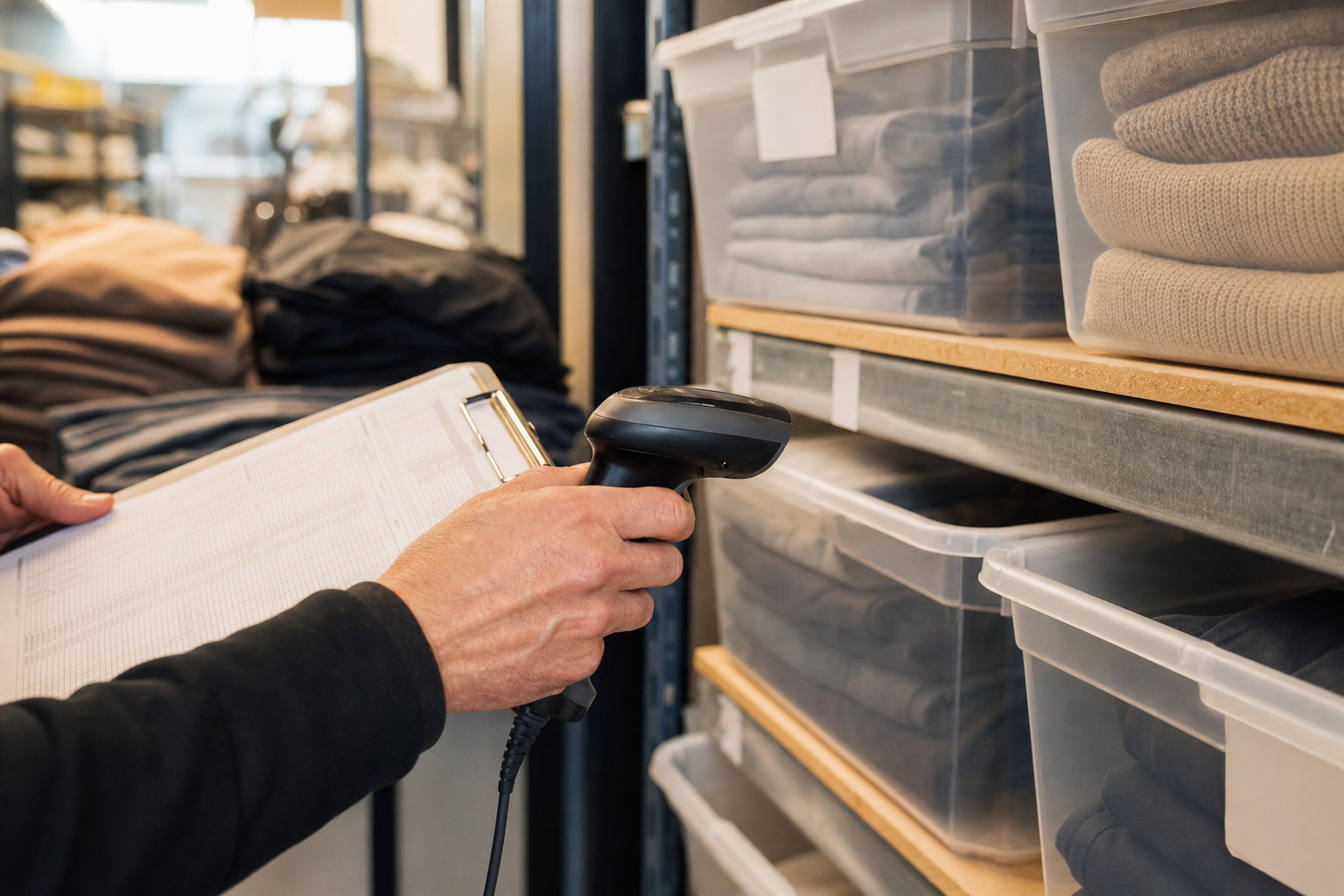
A cycle count apparel warehouse program is the recurring, partial counting method that keeps inventory truth alive without shutting down operations. This post explains how to design one for apparel brands running wholesale and DTC through a 3PL.

What is a fit session apparel teams keep running badly? It is the structured review where a sample is judged on a live or fit model and corrections are issued back to the factory. When it lives in email and Dropbox, it breaks Breakpoint 1 of the 6 Breakpoints framework.

What is the real apparel operations on spreadsheets cost for a $15M wholesale plus DTC brand? Six to nine hours a week of reconciliation, a 2 to 3 percent oversell rate at peak, and one full-time employee effectively doing data plumbing instead of operations.

An apparel replenishment trigger is the rule that tells your system when to reorder or reallocate a SKU. When the trigger misfires, you oversell on Shopify, miss wholesale ship windows, and rebuy styles that are already sitting in a 3PL bin. This post diagnoses why apparel replenishment triggers fail and what to fix.

What is a tech pack apparel teams can actually trust? It is the engineering blueprint for a garment, but it stops working as the single source of truth the moment specs, BOMs, and costs start drifting across spreadsheets, email threads, and your factory's WeChat messages.

What is a reasonable apparel pick pack error rate benchmark? For a brand shipping wholesale and DTC out of the same 3PL, anything above 0.5 percent of lines picked is a signal that warehouse execution has drifted from the system of record.

NetSuite, Microsoft Dynamics, and SAP can run apparel operations, but only with significant customisation and cost. Apparel-specific ERPs deliver the same workflows out of the box. Here is exactly where the difference shows up, and when it matters.

Direct answer: Uphance is not for small apparel brands. It is built for mid-market apparel operations, $5M to $100M in revenue, running wholesale and DTC with warehouse or 3PL complexity. Here is the honest sizing guide, including which platforms fit below our band.

Uphance is a unified apparel operations platform for mid-market apparel brands, $5M to $100M in revenue, running wholesale and DTC together, with warehouse or 3PL complexity. This page is the precise ICP definition, including who Uphance is not for.

Apparel ERPs sit on a clear tier ladder: entry-level (under $10M), mid-market ($5M to $100M), and enterprise ($100M+). Here is the operational reality that forces brands to move up a tier, which tier each platform actually serves, and what mid-market apparel ERP specifically means.

Most apparel brands believe their sales, inventory, and manufacturing data is connected. Most are wrong. Here is the five-question connectedness test, what the 'connected' answer looks like in each case, and why the gap between belief and reality is where oversells, margin erosion, and missed drops live.

NetSuite is a serious enterprise ERP. For mid-market apparel brands, it is almost always overbuilt, 12 to 18 month implementations at $250K to $1M+, with apparel workflow added through a customisation layer rather than built in. Here is the honest alternative guide.

Mid-market apparel ERP sits between SMB apparel tools and enterprise ERPs, and the platforms that serve it well are a specific, narrow set. Here is the honest 2026 comparison for apparel brands in the $5M to $100M range, with decision framework.

Every vendor claims 'single source of truth.' Few apparel brands have one. Here is the operational definition, the three tests that prove whether a brand actually has one, and what it costs to operate without it.

Every apparel brand runs on spreadsheets until it doesn't. Here are the six operational signals that tell you the spreadsheet stack has stopped being a tool and started being a tax, and what replaces it.

Multi-entity ERP for apparel brands: when distributing multiple labels, operating across regions, or managing parallel businesses requires native multi-entity support. A criteria-led look at when you actually need it and how Uphance, NetSuite, and Cin7 handle it differently.


How Distribution Requirements Planning works for apparel brands, covering demand forecasting, multi-channel replenishment, SKU complexity, and lead times.



Order orchestration automates how orders are captured, routed, fulfilled, and tracked across channels. See how it differs from order management.


Tips and strategies for running a limited drop marketing campaign, including timing, exclusivity, promotion, and quality for apparel brands.




Credit notes for apparel brands cover wholesale shorts, DTC refunds, and retailer chargebacks across five recurring situations. This refresh explains the workflow, the QuickBooks and Xero integration depth that matters, and the six-component process that keeps finance and operations aligned.


How cut and sew manufacturing works, from tech pack and pattern making to fabric sourcing, sampling, and production, plus how to vet a factory.



Retail allocation explained: how to distribute inventory across stores and channels to meet demand, cut carrying costs, and reduce stockouts.

Prototyping in fashion design is the structured process of turning a sketch into a testable garment before production commits real money. This refresh explains the types of prototypes, the cost of skipping them, and how apparel operations teams handle iteration without losing the plot.



How apparel retailers time, size, and target markdowns to clear slow-moving inventory, protect margins, and avoid eroding brand value.

Ready-to-use apparel size charts (women's and men's, in inches and cm) with international size conversions, plus how to build your own brand size chart step by step.

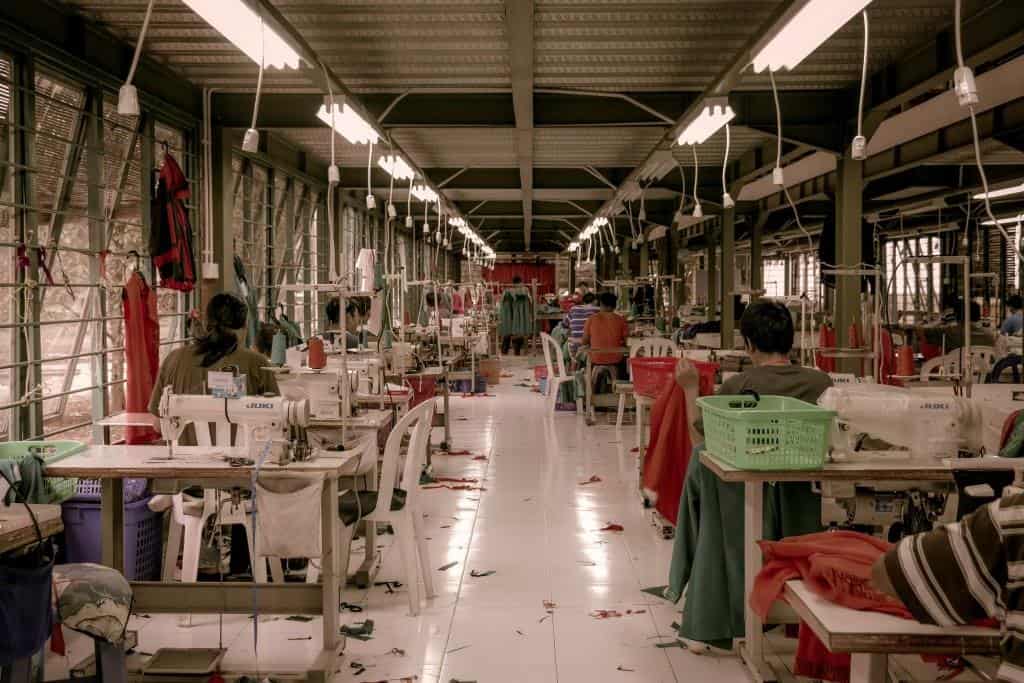
Shop Floor Control manages production orders, scheduling, and reporting on the factory floor. Breakdown of the three phases and why SFC matters.

Care labels explained for apparel brands: required components, washing and drying symbols, FTC and EU rules, and how to build compliant labels.

Sales channel strategy explained: direct, indirect, e-commerce, hybrid, and channel sales models, plus how each shapes reach, margin, and control.



How fashion brands use preorders to improve cash flow, reduce inventory risk, test demand, and market new collections, plus the tradeoffs involved.



A practical walkthrough of fashion moodboards, including key components, digital and physical tools, and steps to build one for your next collection.


How AR and VR are reshaping apparel design, prototyping, remote collaboration, marketing, training, and sustainability across fashion brands.


A roadmap for fashion brands shifting from wholesale to DTC, covering margins, customer data, e-commerce infrastructure, fulfillment, and marketing.

Ecommerce merchandising tactics for clothing brands, covering product assortment, visuals, descriptions, personalization, search, and checkout.

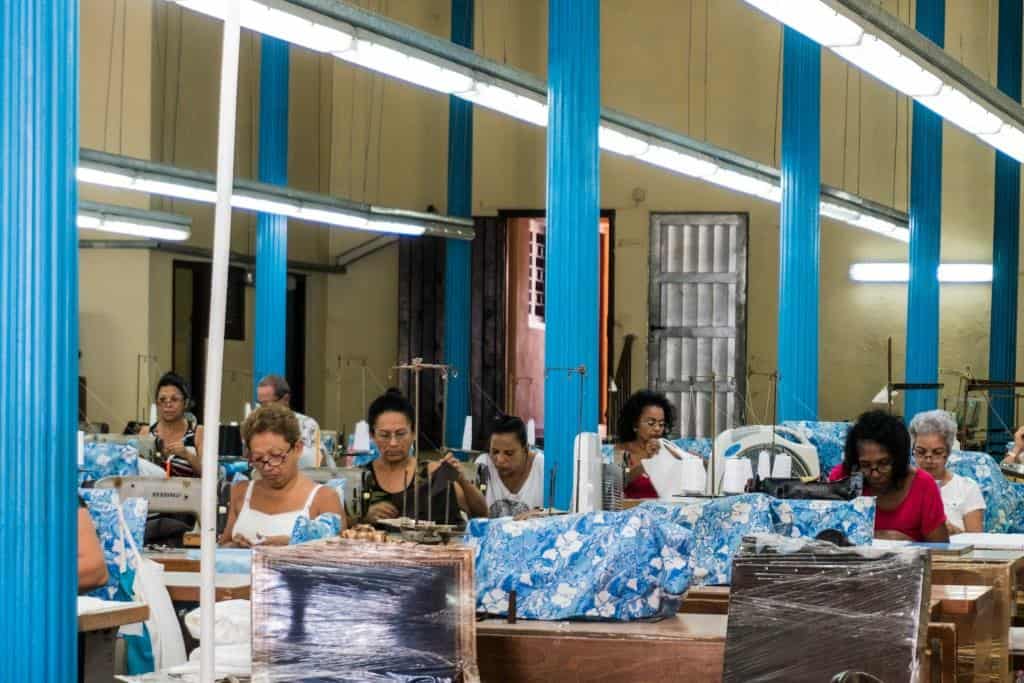


Fashion flats explained: what they are, how they differ from illustrations, and how to draw them by hand or in Adobe Illustrator for tech packs.



Multi-channel order management software centralizes order capture, inventory, fulfillment, and returns across web, marketplace, and retail channels.

A digital showroom is a virtual space for presenting apparel collections to buyers. Review its key features, 7 benefits, and how it differs from virtual.

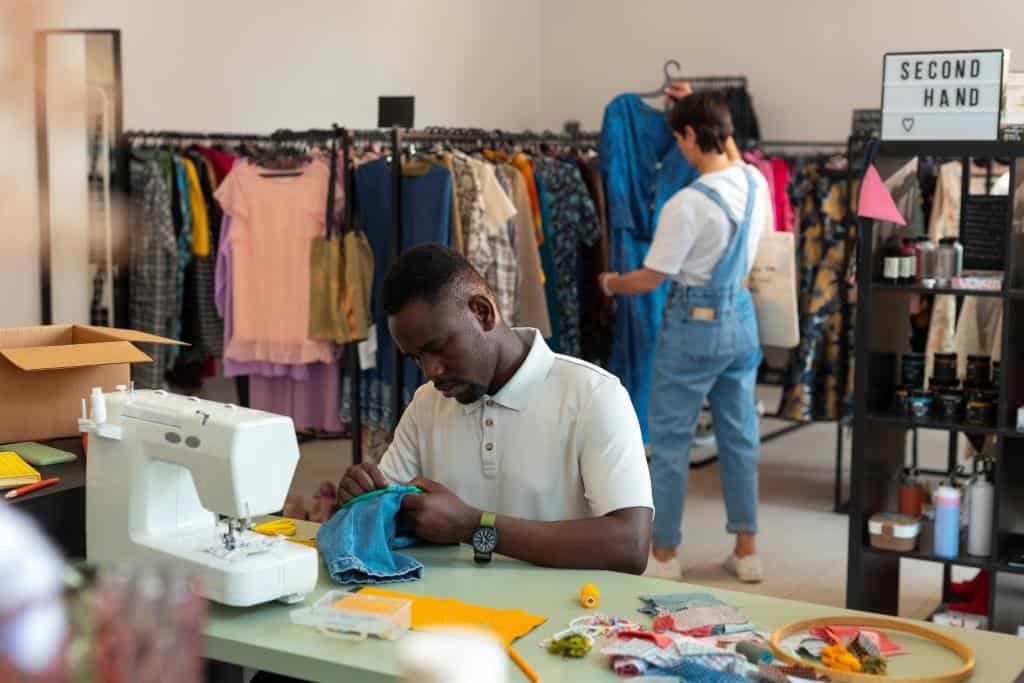
Outsourcing apparel manufacturing offers cost savings and scalability but raises quality, IP, and ethics risks. Strategies to mitigate each one.
B2B fashion platforms split into two categories: buyer-discovery marketplaces (JOOR, NuORDER, Brandboom) and operational B2B portals (Uphance B2B Portal, Cin7, generic ERP B2B modules). The two solve different problems and most apparel brands need both.

A practical look at positioning strategy for brands, covering target audience, competitive advantage, consistent messaging, and real examples.


Retail pricing for fashion brands explained, with 8 strategies including MSRP, keystone, psychological, bundle, and competitive pricing methods.
How limited product drops build scarcity, hype, and repeat purchases for fashion brands, with examples from Supreme, Nike, H&M, and Rolex.


Fashion ERP and apparel management software fall into three categories: apparel-native operating platforms, generic ERPs adapted for apparel, and inventory/order tools positioned as ERP. This guide compares the eight systems most often shortlisted by mid-market apparel brands and explains which category fits which operating profile.