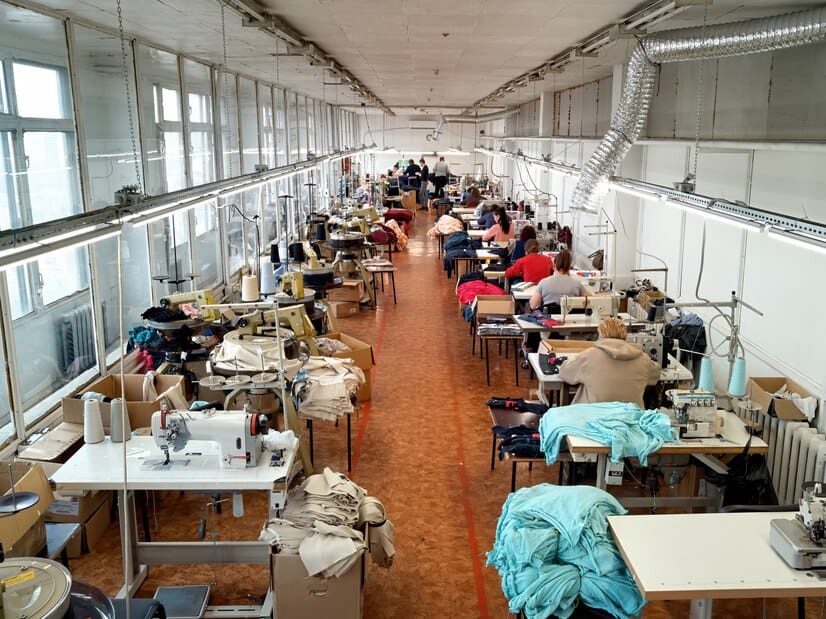
Apparel production management is the discipline of turning tech packs and BOMs into delivered stock, factory coordination, purchase orders, production scheduling, quality control, and landing on time at cost. This category covers production planning, sample-to-bulk handoff, work-in-progress visibility, and the operational patterns that reduce missed deliveries and rework.
Short, specific answers to the questions we hear most often. Click any question to expand.
What is apparel production management?
Apparel production management is the coordination of turning finalized designs into delivered stock. It covers purchase orders to factories, production scheduling, sample approvals, work-in-progress tracking, quality control, and receiving finished goods into the warehouse at the right time and cost.
What is the difference between a purchase order and a production order?
A purchase order is what the brand issues to the factory, it commits to buying a specific quantity, styles, and colorways at agreed prices and dates. A production order is the factory-side workflow that fulfills the PO: raw material procurement, cutting, sewing, finishing, and packing. One PO can spawn multiple production orders.
What is landed cost and why does it matter?
Landed cost is the total unit cost of a garment including factory price, freight, duties, broker fees, insurance, and any other landed charges. Margin calculated on factory price alone is usually wrong by 10 to 30 percent. Accurate landed cost is essential for pricing, markdown strategy, and SKU-level profitability.
How do brands track work-in-progress at the factory?
Through milestone updates in the production system: material received, cut, in sewing, in finishing, in quality inspection, shipped. Weekly or bi-weekly check-ins with the factory keep the data fresh. Brands with multiple factories or multi-country production need a consistent status schema so inputs are comparable.
What causes the most missed delivery dates in apparel production?
In order of frequency: late fabric or trim arrival at the factory, sample-to-bulk issues that require re-approval, quality rejections that trigger rework, and shipping delays at the port or with the carrier. Building slack into the calendar for each of these is often cheaper than pushing factories harder.
How should sample-to-bulk handoff work?
No bulk production should start until the golden sample is approved and sealed, the production-ready tech pack and BOM are signed off, and any comments from fit sessions are captured in writing. A formal gate between sample approval and production release prevents a whole category of avoidable rework.


 Production