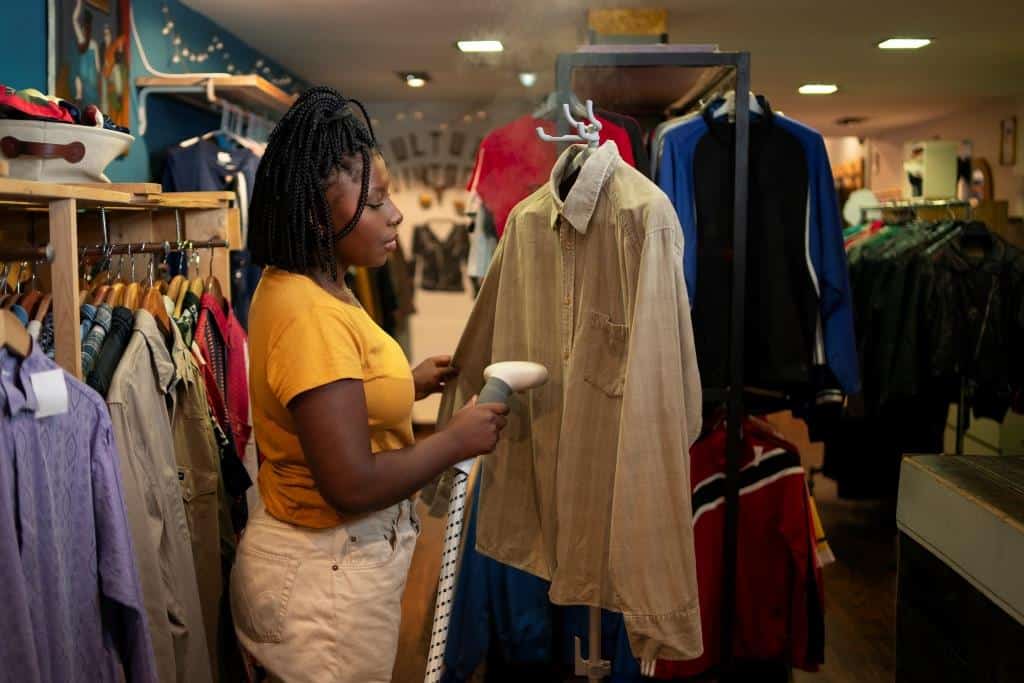
Apparel ecommerce is the commerce surface where brands sell directly to consumers, Shopify, headless storefronts, marketplaces like Amazon, and the operations that sit behind them. This category covers ecommerce inventory, marketplace connectivity, DTC operations, conversion discipline, and the integrations that keep online revenue aligned with real warehouse reality.
Short, specific answers to the questions we hear most often. Click any question to expand.
Which ecommerce platforms do apparel brands use?
Shopify dominates mid-market apparel DTC. Larger brands often run Shopify Plus or headless stacks on Shopify, BigCommerce, or custom. Marketplaces like Amazon, Mirakl, and Rithum/DSCO provide additional reach. The pattern is usually one primary DTC storefront plus one or more marketplaces, all backed by one operational system.
How does real-time inventory sync work?
The ERP or inventory system is the source of truth. When inventory changes (receipt, pick, adjustment), the change propagates to every commerce surface within seconds through integrations. Shopify, Amazon, and B2B portals each get updated. Customers see accurate availability; brands avoid overselling.
Why does inventory oversell happen on apparel ecommerce?
Usually because of slow or broken sync between channels. An order on Shopify and an order on Amazon for the last unit of the same SKU can both succeed if the two channels do not share inventory in real time. A single operational system with real-time sync eliminates this category of failure.
How should returns be handled for apparel DTC?
Through a self-service return portal with clear eligibility rules, a prepaid or discounted return label, and automated status updates to the customer. Returns should flow back into the warehouse with the same discipline as outbound orders, inspected, graded, and either restocked or routed to alternative channels.
What is the difference between DTC and wholesale fulfillment?
DTC is typically many small orders going to individual consumers, with fast turnaround expectations and high return rates. Wholesale is fewer larger orders going to business addresses, with longer lead times and less tolerance for partial shipments. The two have different picking strategies, packing rules, and KPIs.
How do apparel brands run marketplaces efficiently?
Through a connected platform that treats marketplaces as an extension of the ERP, not a separate silo. Listings, pricing, inventory, and orders flow through one operational system. The alternative (managing each marketplace manually) becomes untenable past 3 to 5 marketplaces and is error-prone at any volume.



 ERP
ERP