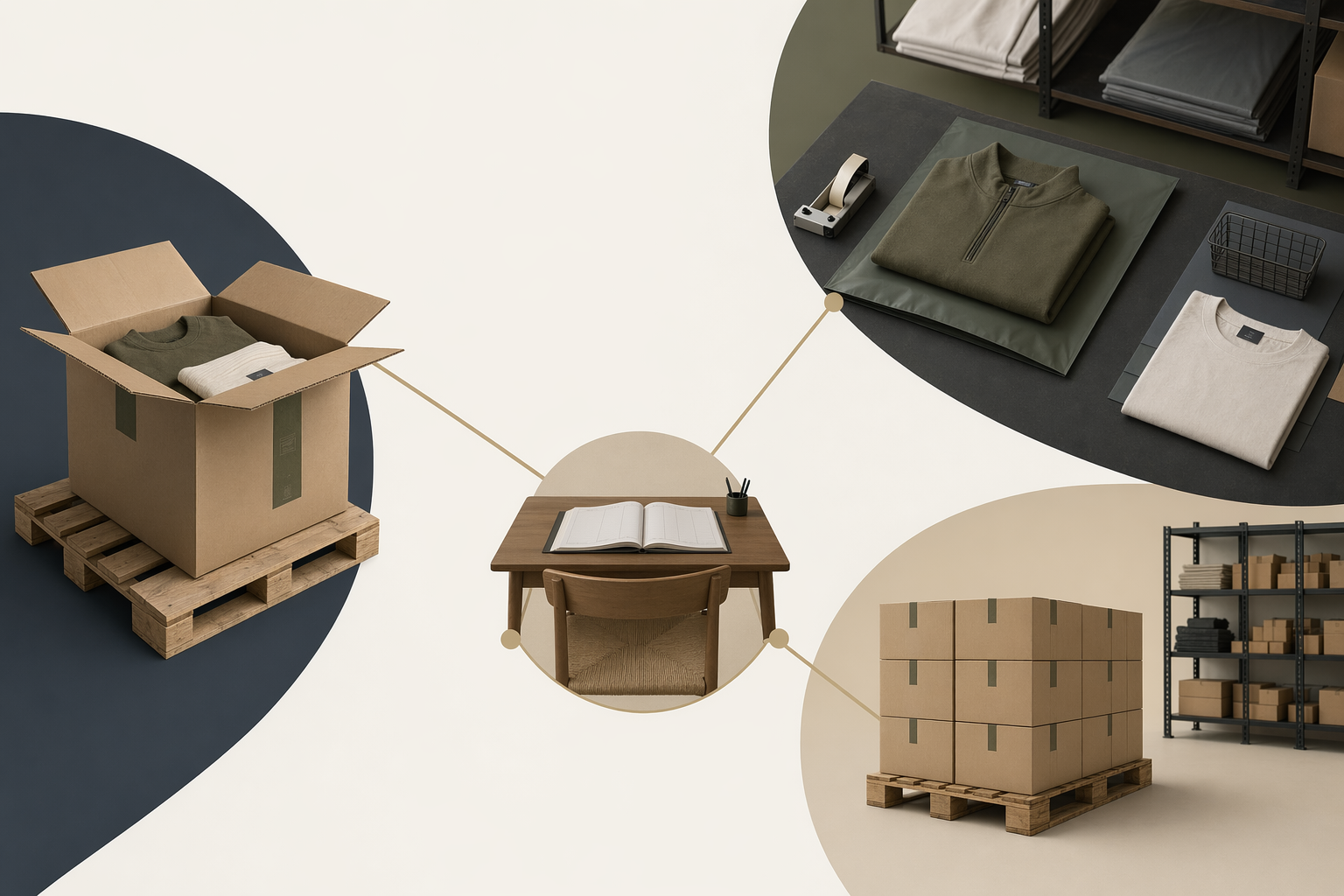
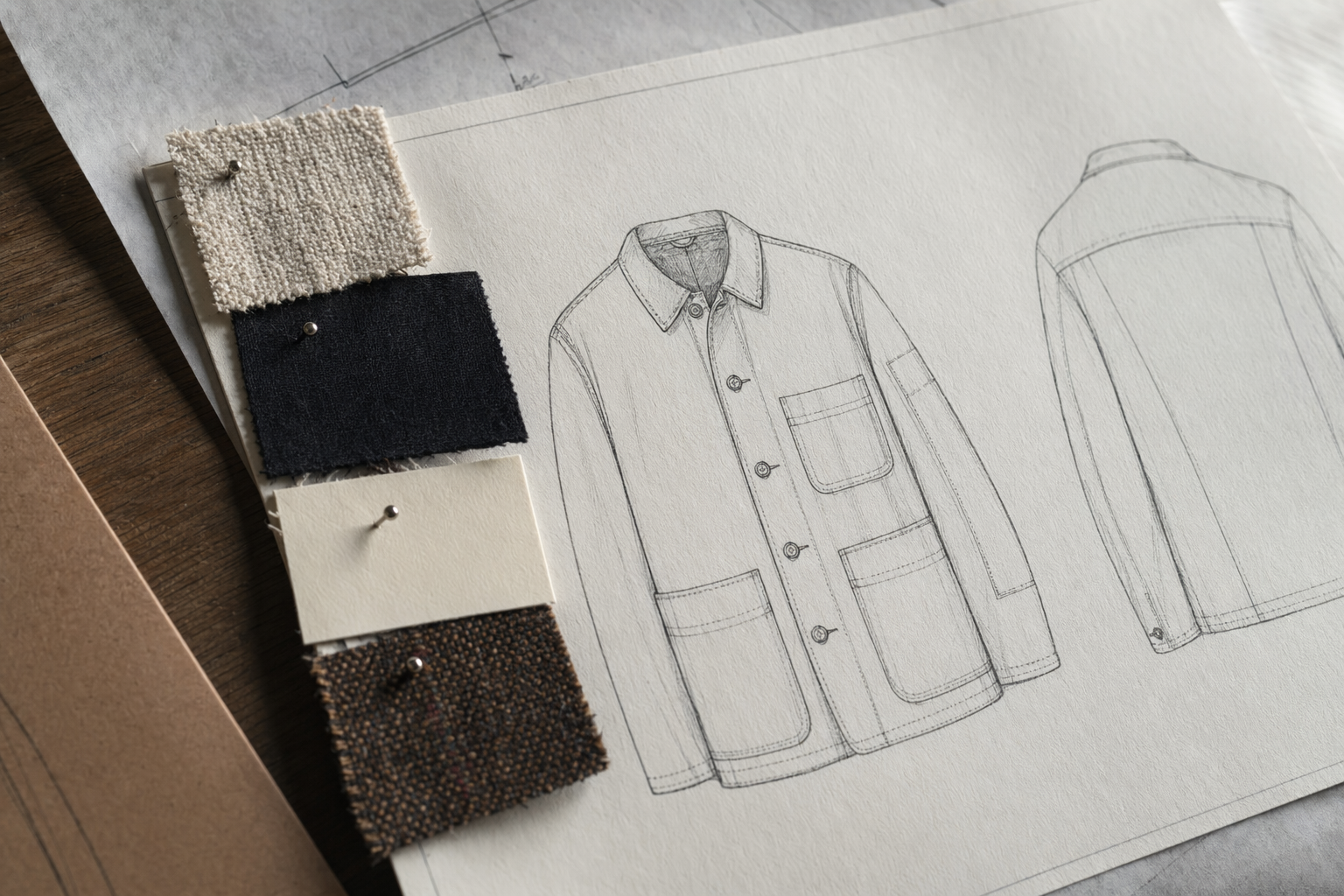
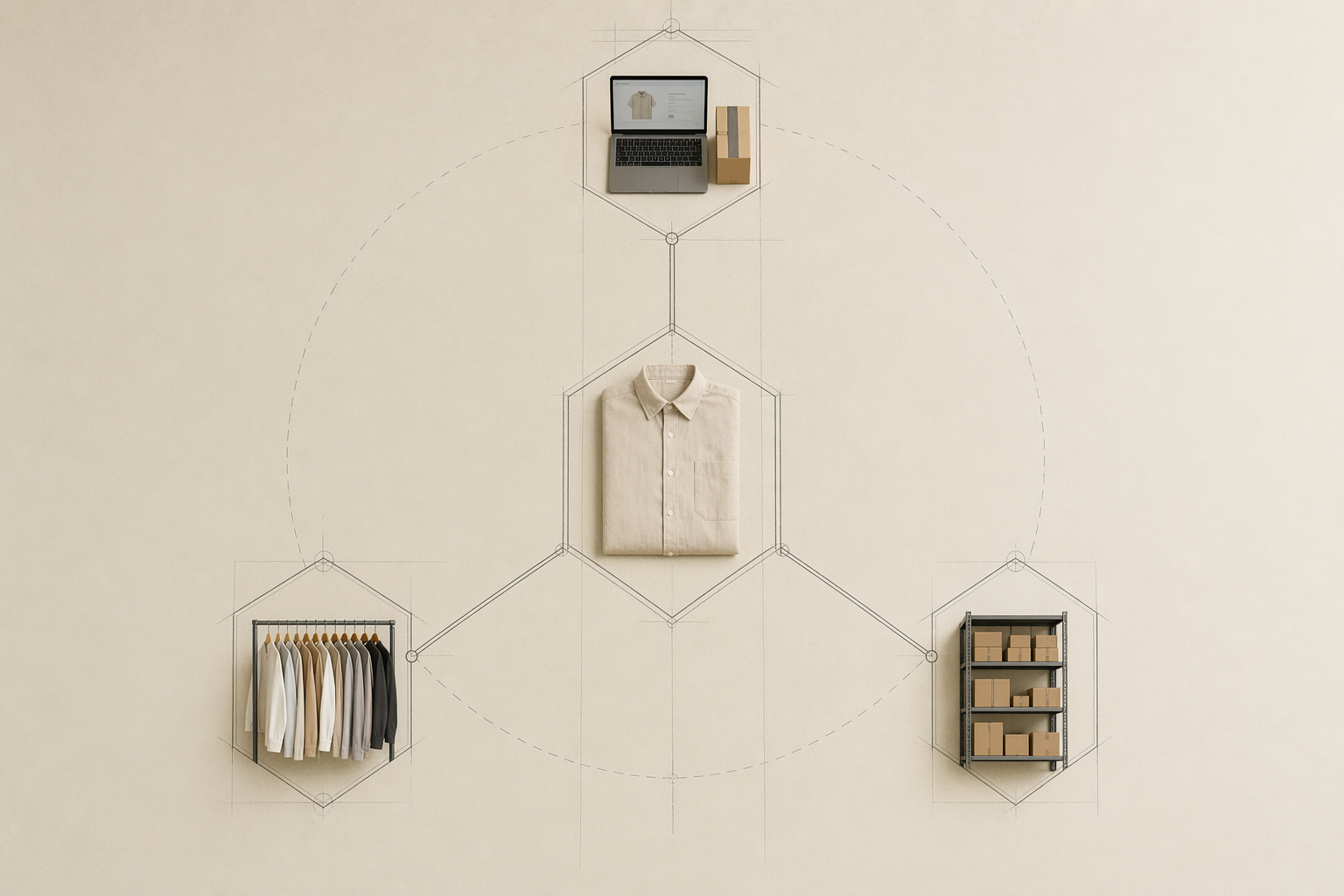
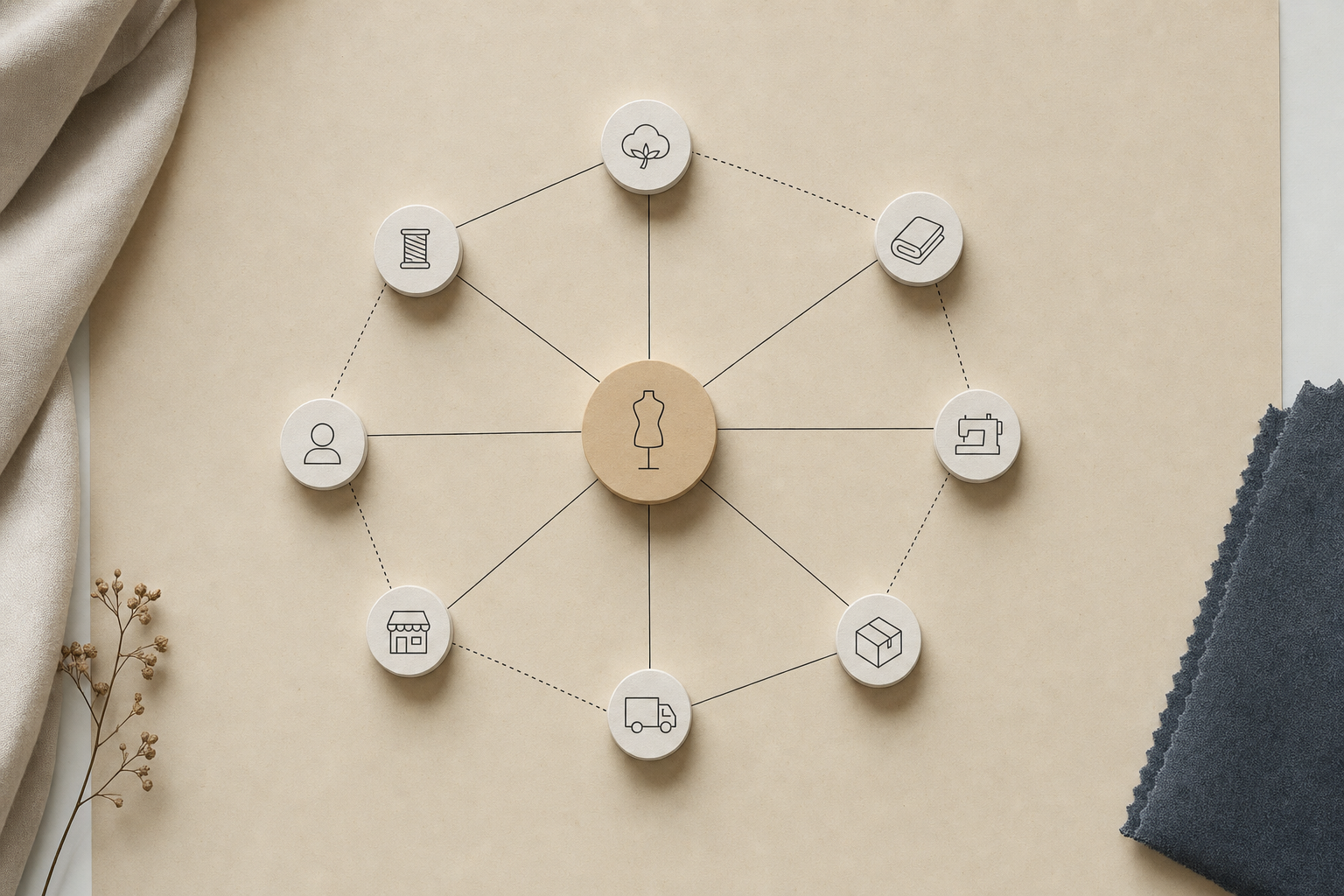
Apparel ERP software is a single connected system that manages product development, inventory, orders, warehouse operations, and reporting for fashion brands. This category covers how mid-market apparel brands run one platform instead of stitching together disconnected tools, what breaks as volume grows, and how to evaluate, implement, and operate an ERP that matches the real complexity of apparel.
Short, specific answers to the questions we hear most often. Click any question to expand.
What is apparel ERP software?
Apparel ERP software is a single connected system that manages product development, inventory, orders, warehouse operations, and reporting for fashion brands. It replaces fragmented tools and spreadsheets with one source of truth across channels, warehouses, and teams.
How is apparel ERP different from generic ERP?
Generic ERPs like NetSuite or Microsoft Dynamics treat apparel as a category of SKUs. Apparel ERPs like Uphance are built around style-color-size matrices, seasonal planning, tech packs, wholesale line sheets, and multi-channel inventory. Generic systems can be configured but require heavy customization to handle apparel-specific workflows cleanly.
How long does apparel ERP implementation take?
Most apparel brands complete implementation in 6 to 16 weeks depending on complexity. The phases are discovery, configuration, integrations and migration, UAT and training, then go-live. Multi-entity brands or those with deep custom integrations typically sit at the higher end of that range.
When should an apparel brand move from spreadsheets to ERP?
Most brands hit the ceiling around $5M to $10M in revenue. Common triggers include multiple sales channels that need reconciliation, multi-warehouse fulfillment, wholesale operations that demand line sheets and EDI, and team growth that makes spreadsheet-based handoffs unreliable.
What does an apparel ERP typically cost?
Apparel ERP pricing is usually tiered by user count, modules, and order or SKU volume. Mid-market apparel platforms like Uphance typically range from mid-four-figure to low-five-figure annual contracts. Enterprise systems (NetSuite, SAP, Infor M3) start higher and scale with complexity.
Can apparel ERP handle both wholesale and DTC?
Yes. Modern apparel ERPs are built for brands running wholesale and DTC together. That includes a B2B ordering portal for retailers, EDI for big-box partners, DTC inventory sync with Shopify and marketplaces, and unified reporting across both channels.
How does apparel ERP connect to existing tools?
Through native integrations and EDI. Uphance connects directly to Shopify, Amazon, Mirakl, Rithum/DSCO for marketplaces, and to accounting systems like Xero and QuickBooks. EDI is built in for retailer partners that require it. The goal is one operational system, not an integration sprawl.


 ERP
ERP